The Practice of Peace
Selections from the Archive
Our July issue reminds us how violent conflicts can become seemingly intractable. Yet throughout The Sun’s history we’ve given voice to those who choose a different path—writers, readers, and interviewees who interrupt cycles of violence through acts of courage, vulnerability, and radical love. I’ve selected a few that journey from the foundations of nonviolence to its practice in daily life.
We begin with John Bargowski’s poem “Gethsemane,” which captures the moment when Jesus chooses healing over retaliation, establishing the central tension between our impulse toward violence and the call to choose differently. Brian Doyle’s essay “Memorial Day” bridges the spiritual with the political, as Doyle’s father refuses to wear his old uniform at a parade, embodying quiet resistance. Marge Piercy’s poem “The low road” escalates from individual choice to collective action, acknowledging that real change requires solidarity. Our readers’ reflections in “Obstacles to Peace” ground these principles in ordinary life, revealing how the path to peace often begins with small choices.
The journey deepens with Anne Hallward offering strategies for creating change through storytelling, showing how shame silences us while vulnerability becomes a form of “verbal nonviolence.” Finally, Fred Bahnson’s essay “Martyr’s Mirror” brings these themes together in a self-critical examination of peace activism, serving as both inspiration and cautionary tale about what nonviolent practice requires.
Take care and read well,
David Mahaffey, Digital Media Director
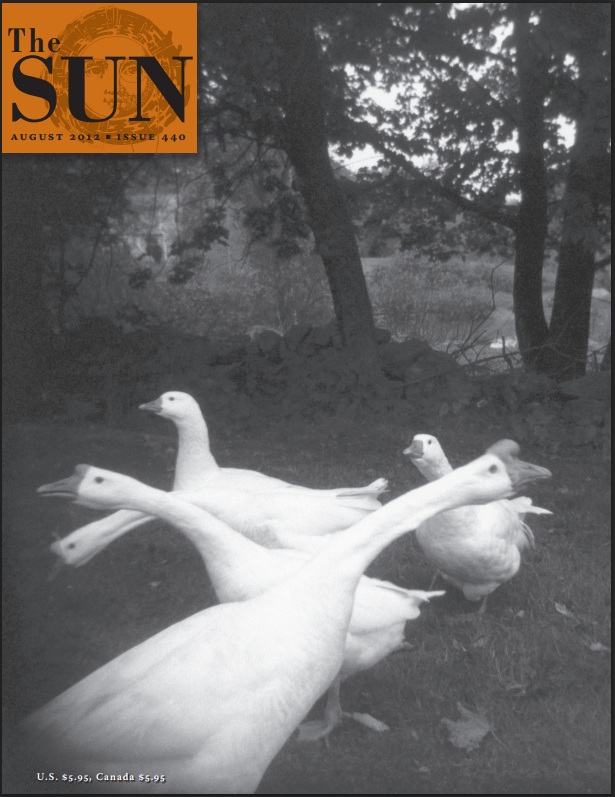
Gethsemane
August 2012John Bargowski’s poem draws from the biblical scene where Jesus heals his enemy’s severed ear after a disciple strikes in his defense. The poem explores our ambivalence about surrender, capturing how we “hiss” at Christ’s refusal to fight back even as we’re called to follow his example.
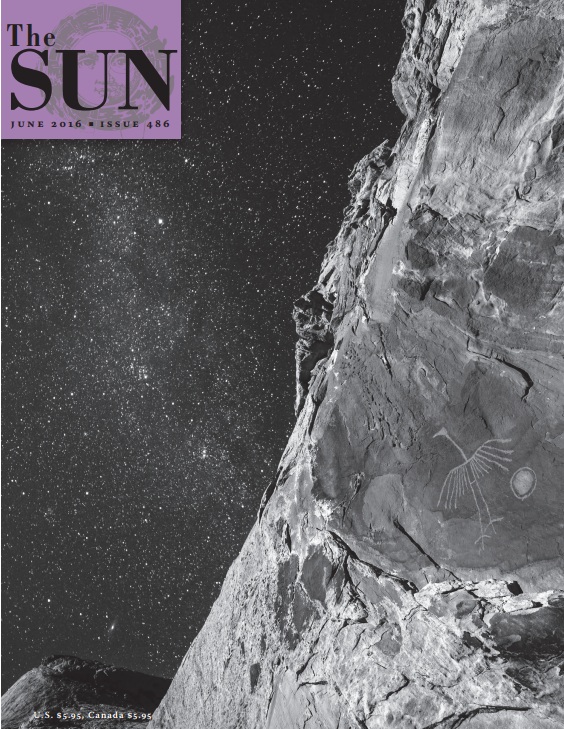
Memorial Day
June 2016Brian Doyle’s essay offers a father’s nuanced perspective on war and remembrance as he stands with his children watching a parade, refusing to salute or wear his old uniform. He embodies a different kind of patriotism—one that honors those who serve while believing that “war is a virus and imagination is the cure.”

The low road
October 2017Marge Piercy’s poem, first published in 1980, acknowledges the harsh realities facing those who resist oppression—“they can do anything you can’t stop them from doing”—while offering a blueprint for building collective power. The poem moves from the isolation of individual resistance to the strength found in numbers: “it starts when you say We and know who you mean.”
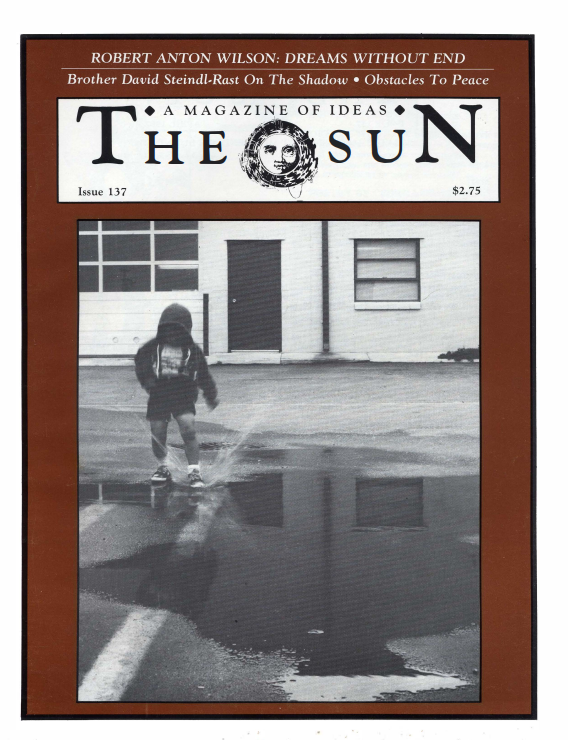
Obstacles to Peace
April 1987Our readers share their struggles with practicing nonviolence in daily life, from a woman trying to relocate ants without killing them to parents grappling with how to raise children in a nuclear age. These intimate reflections reveal that the path of peace often begins with the persistent choice to respond to conflict not with force, but compassion.
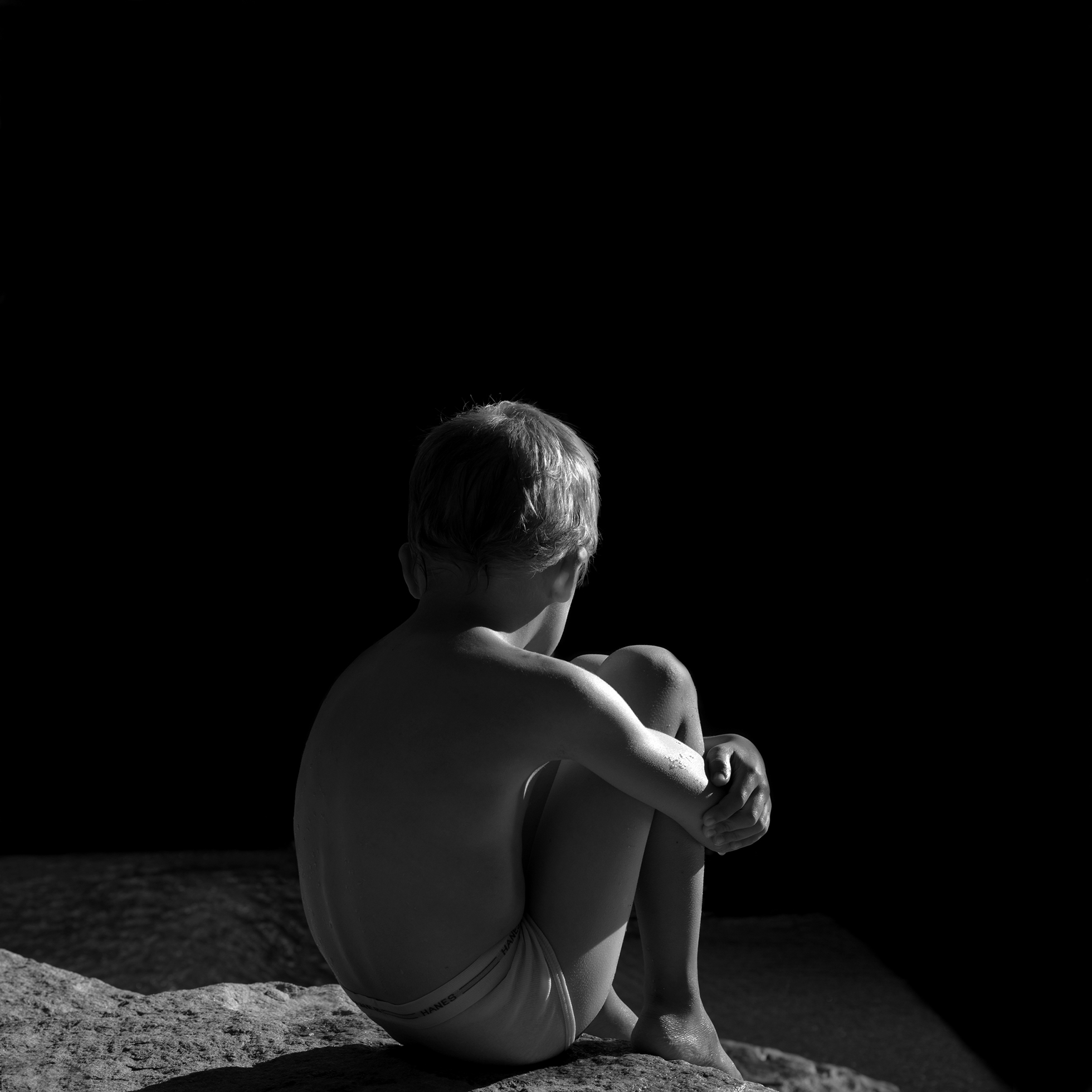
We Need to Talk: Anne Hallward on Breaking Our Silence and Overcoming Shame
January 2019Anne Hallward explores how shame silences us and perpetuates cycles of harm, while vulnerability and authentic storytelling can become forms of “verbal nonviolence.” Her work suggests that creating space for difficult conversations may be one of our most powerful tools for social transformation
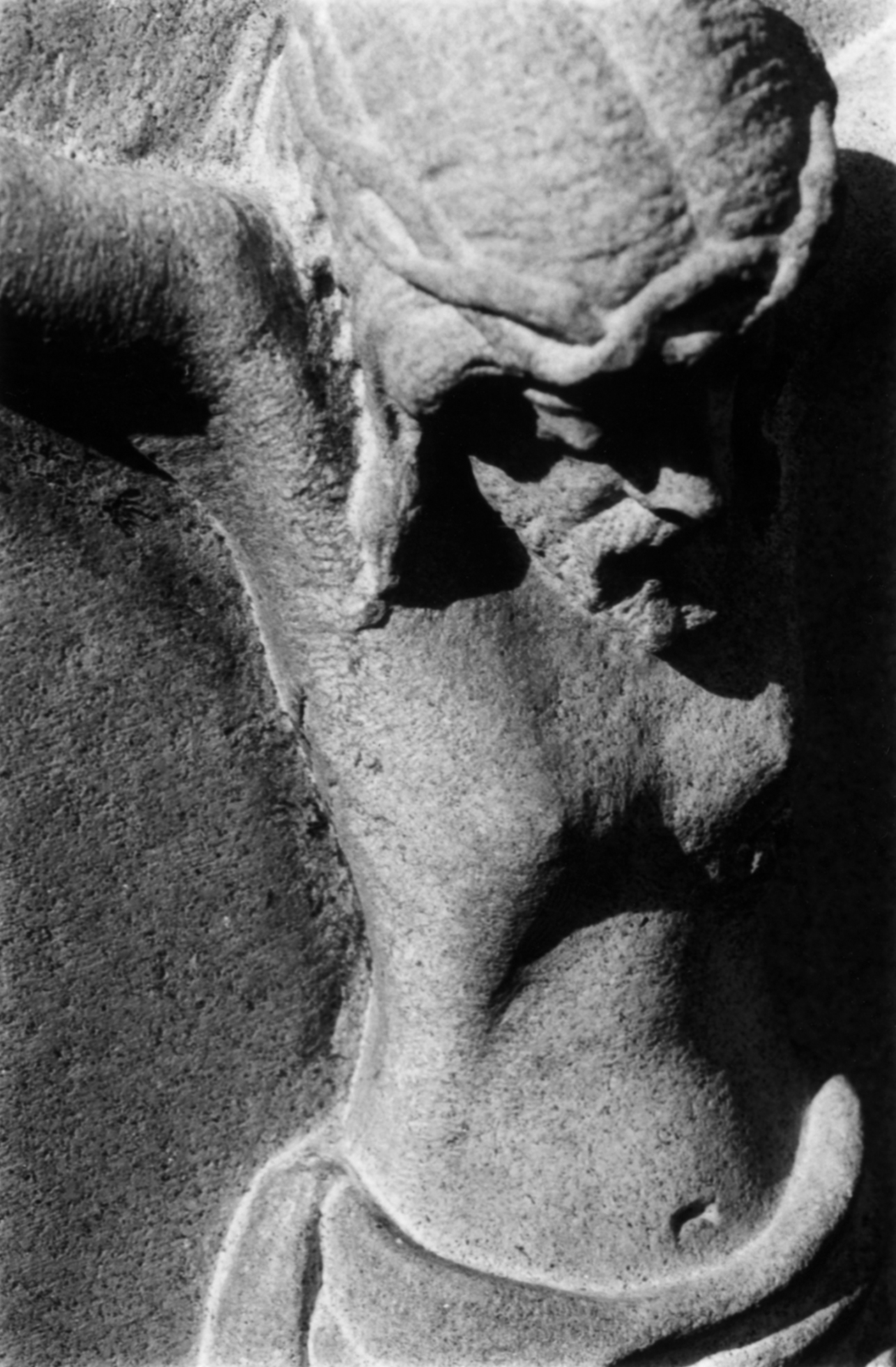
Martyr’s Mirror
January 2019Fred Bahnson describes a month of activist training with the Christian Alliance for Nonviolence, where idealistic twentysomethings prepare to place their bodies between “the downtrodden and the violent forces of injustice.” Bahnson’s account is unflinchingly honest about the ego, privilege, and performative activism that can undermine even well-intentioned peace work, offering a sobering contrast between true commitment and what he calls “histrionics.”
 PREVIOUS
We’ll mail you a free copy of this month’s issue. Plus you’ll get full online access—including more than 50 years of archives.
Request a Free Issue