Independent, Reader-Supported Publishing
  • Sign OutMy Account
  • Sign In

  • Current Issue
    June 2026June 2026
    Standards of Care
    The Sun InterviewBy Naomi PittsStandards of CareRolonda Donelson on Bias and Anti-Science Attitudes in Medicine

    The reason Black women were used to develop the field of gynecology was because they were no more than property. They weren’t seen as people; they were just seen as things. The controlling of Black women’s bodies started with chattel slavery, but it continues today.

    Milk
    Readers WriteBy Our ReadersMilk

    Pumped for an infant, spilled at the dinner table, used as a tear gas antidote

    In This Issue
  • Archives
    • Featured Selections
    • Shop Print Issues
    • Browse by year
    • Browse topics
    • Browse Sections
    May 2026
    May 2026
    April 2026
    April 2026
    March 2026
    March 2026
    February 2026
    February 2026
    January 2026
    January 2026
    December 2025
    December 2025
    Browse 50 years of Archives
    • News and Notes
      • About The Sun
      • Newsletter Sign-Up
      • Announcements
      • Featured Selections
      • Calls for Submissions
      • Profiles
      • Our History
      • Events
    • Submit
      • Letter to the Editor
      • Readers Write
      • Essays, Fiction & Poetry
      • Photography
    • Donate
      • Donate Now
    • Shop
      • Subscribe
      • Give a Gift Subscription
      • Back Issues
      • Books
      • Merch
        • T-Shirts
        • Tote Bag
        • Mug
  • Search
  • RenewSubscribe
    Personal. Political.
    Provocative. Ad-free.

    Subscribe and Save up to 45%

    Renew your subscription

    GIVE A GIFT SUBSCRIPTION

    SUBSCRIBE

    GIVE A GIFT SUBSCRIPTION

Independent, Reader-
Supported Publishing
Subscribe and Save up to 45%
Renew your subscriptionSUBSCRIBE

GIVE A GIFT SUBSCRIPTION

    • My Account
    • Sign Out
    • Sign In
  • Cart
  • Current issue
  • archivesarrow
    • Featured Selections
    • Shop Print Issues
    • Browse by year
    • Browse topics
    • Browse Sections
    • News and Notes
      • About The Sun
      • Newsletter Sign-Up
      • Announcements
      • Featured Selections
      • Calls for Submissions
      • Profiles
      • Our History
      • Events
    • Submit
      • Letter to the Editor
      • Readers Write
      • Essays, Fiction & Poetry
      • Photography
    • Donate
      • Donate Now
    • Shop
      • Subscribe
      • Give a Gift Subscription
      • Back Issues
      • Books
      • Merch
        • T-Shirts
        • Tote Bag
        • Mug

Clemens Kalischer

Clemens Kalischer was born in Bavaria, Germany, and immigrated to the United States in 1942. His photographs appeared in The New York Times, Newsweek, and Time. He died in 2018 at the age of ninety-seven.

  • Visit Website
Photography

Displaced Persons

After World War II Congress voted to allow thousands of European war refugees into the U.S. Whenever a ship carrying these “displaced persons,” as they were called, came into New York City, Kalischer would go to the harbor to take pictures of the new arrivals. He had come here as a refugee himself not long before, at the age of twenty-one, and he recognized the fear and expectation in the faces of the men, women, and children.

October 2018
Photography

The Work Of Clemens Kalischer

Born in Germany in 1921, Clemens Kalischer arrived in the United States at the age of twenty-one, a Jewish immigrant who’d narrowly survived the Holocaust. He had no money and spoke no English. One of his few possessions was a book of photographs by Hungarian Jewish photographer André Kertész. Titled Paris Vu Par, it was filled with iconic images of the city.

June 2014
Photography

Artists At Work

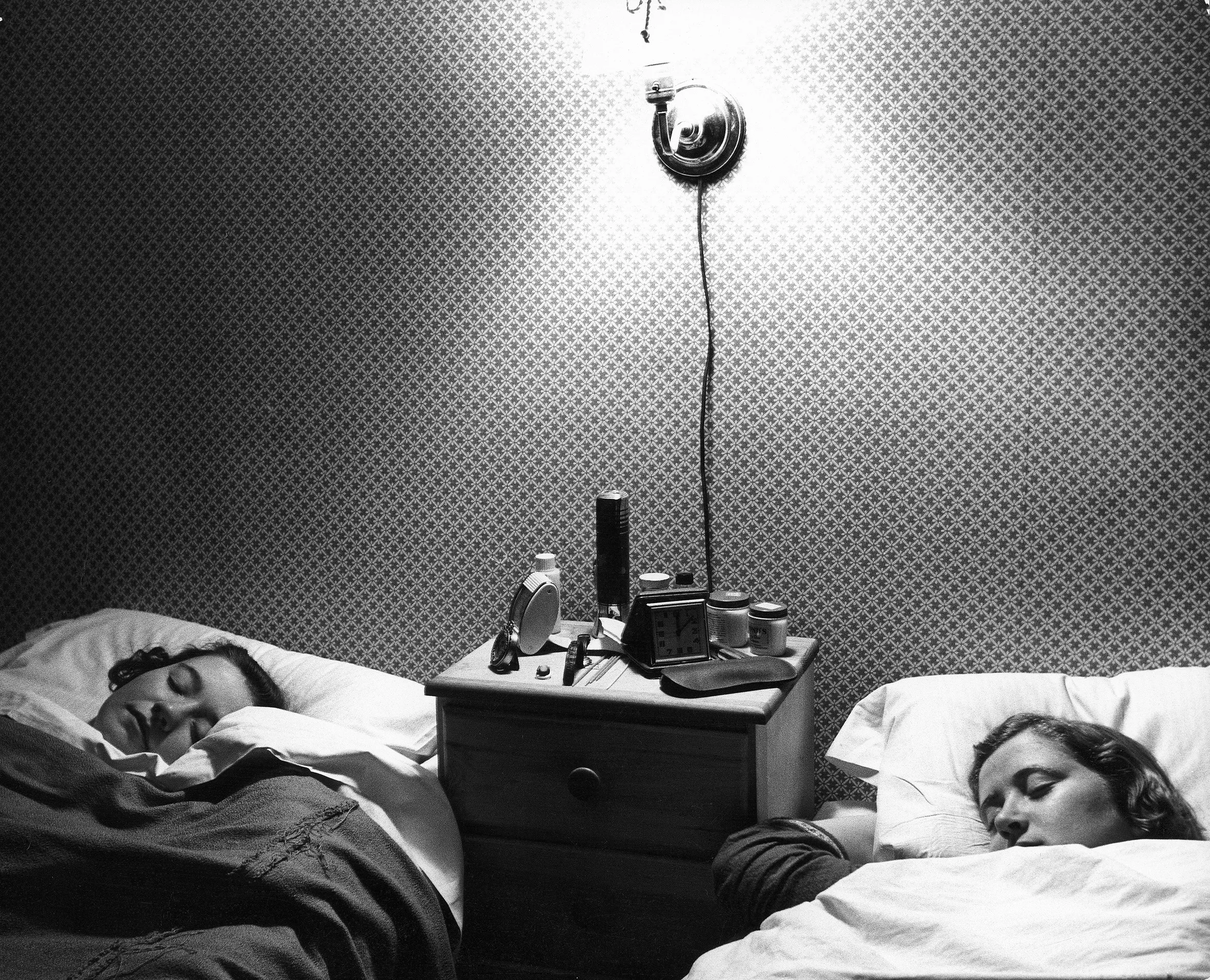
Kalischer documented the arrival of Holocaust refugees to the U.S. in the late 1940s, and over the next several decades he traveled throughout Europe and the U.S. capturing everyday scenes from people’s lives. The images on these pages depict art students and artists in New England and New York from the 1950s through the 1980s.

March 2010
Photography

Photographs By Clemens Kalischer

Three years after the end of World War II, thousands of people remained stranded in European displaced-persons camps. Some sought and gained asylum in the United States, where they hoped to start a new life. Having recently taken a beginners’ class in photography, Clemens Kalischer was drawn to the New York City waterfront to record the arrival of the displaced persons.

February 1998

Clemens Kalischer
photo

December 2007

77114
photo

77254
photo

77455
photo

Clemens Kalischer
photo

March 2010

77463
photo

77464
photo

77467
photo

77468
photo

77469
photo

77470
photo

77471
photo

77472
photo

77473
photo

77474
photo

Clemens Kalischer
photo

July 2006

Clemens Kalischer
photo

October 2005

Clemens Kalischer
photo

June 2004

Clemens Kalischer
photo

June 2004

78005
photo

Clemens Kalischer
photo

February 2004

78009
photo

78012
photo

Clemens Kalischer
photo

June 2014

78084
photo

78095
photo

78106
photo

78117
photo

78127
photo

78137
photo

78148
photo

78158
photo

78169
photo

78179
photo

78207
photo

Clemens Kalischer
photo

April 2014

Clemens Kalischer
photo

August 2017

78881
photo

78889
photo

78890
photo

78891
photo

78892
photo

78893
photo

78894
photo

78895
photo

78897
photo

78898
photo

78958
photo

79299
photo

79308
photo

79344
photo

79367
photo

79368
photo

79447
photo

79449
photo

79511
photo

79512
photo

79524
photo

79525
photo

79533
photo

79553
photo

79722
photo

79789
photo

80850
photo

81343
photo

Clemens Kalischer
photo

October 2018

Clemens Kalischer
photo

March 2011

Clemens Kalischer
photo

March 2010

Clemens Kalischer
photo

July 2009

Clemens Kalischer
photo

August 2008

Clemens Kalischer
photo

October 2007

Clemens Kalischer
photo

April 2007

83033
photo

Clemens Kalischer
photo

June 2023

Clemens Kalischer
photo

June 2011

83635
photo

Clemens Kalischer
photo

March 2026

What Do You Think?

Has something we published moved you? Fired you up? Did we miss the mark? We’d love to hear about it.

SEND US A LETTER

Humanity, delivered monthly.

In each issue of The Sun you’ll find some of the most radically intimate and socially conscious writing being published today. In an age of media conglomerates, we’re something of an oddity: an ad-free, independent, reader-supported magazine.

    • About The Sun
    • Contact Us
    • Staff
    • FAQ
  • facebookLike us
  • InstagramTake a look
    • Privacy Policy
    • Terms of Use

Copyright © 1974–2026 The Sun. All rights reserved.