May 2025
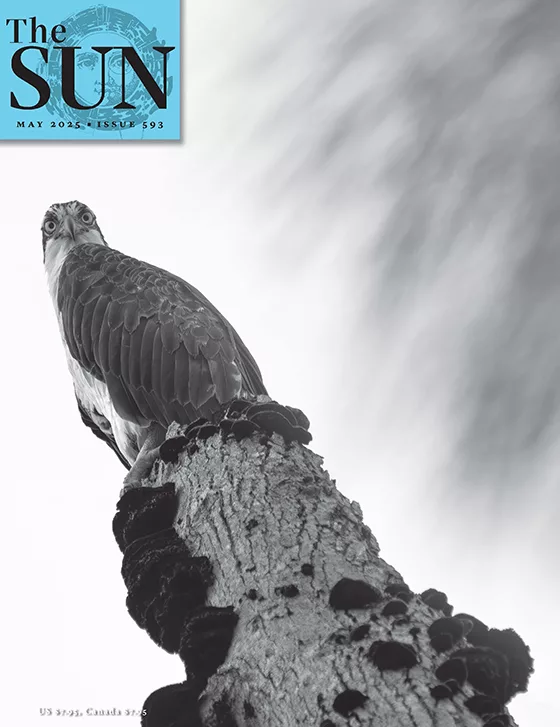


Sunbeams
When I am feeling too squeezed on the ground, exhausted by everything in my care, I look for a little sky. There are always birds flying back and forth, city birds flitting around our human edges, singing their songs.
May 2025

Bird’s-Eye View
Jennifer Ackerman on How Birds Adapt, Survive, and Think
Leviton: How do we evaluate their intelligence without viewing them as feathered versions of ourselves?
Ackerman: Anthropomorphism is a real sticking point in the field. I think that’s changing because a lot of behaviors in birds are in fact similar to human behaviors. But any scientist will tell you it’s not easy to probe the mind of another animal, especially when they have kinds of intelligence that differ from our own. We know how to measure things that we’re good at, like solving physical problems. Scientists may give a bird food in a container that it has to figure out how to open in order to eat. The scientists observe how long it takes the bird to solve the problem and whether it’s showing “behavioral flexibility.” In other words: Can it shift its strategies? Can it innovate when confronted with new challenges? That’s pretty easy for us to measure, but birds also have social intelligence, musical intelligence, and other kinds of intelligence that are harder to measure. For example, we’re still trying to figure out how birds know where they’re going. Humans don’t have the innate capacity to navigate using the earth’s magnetic fields and other information sources.
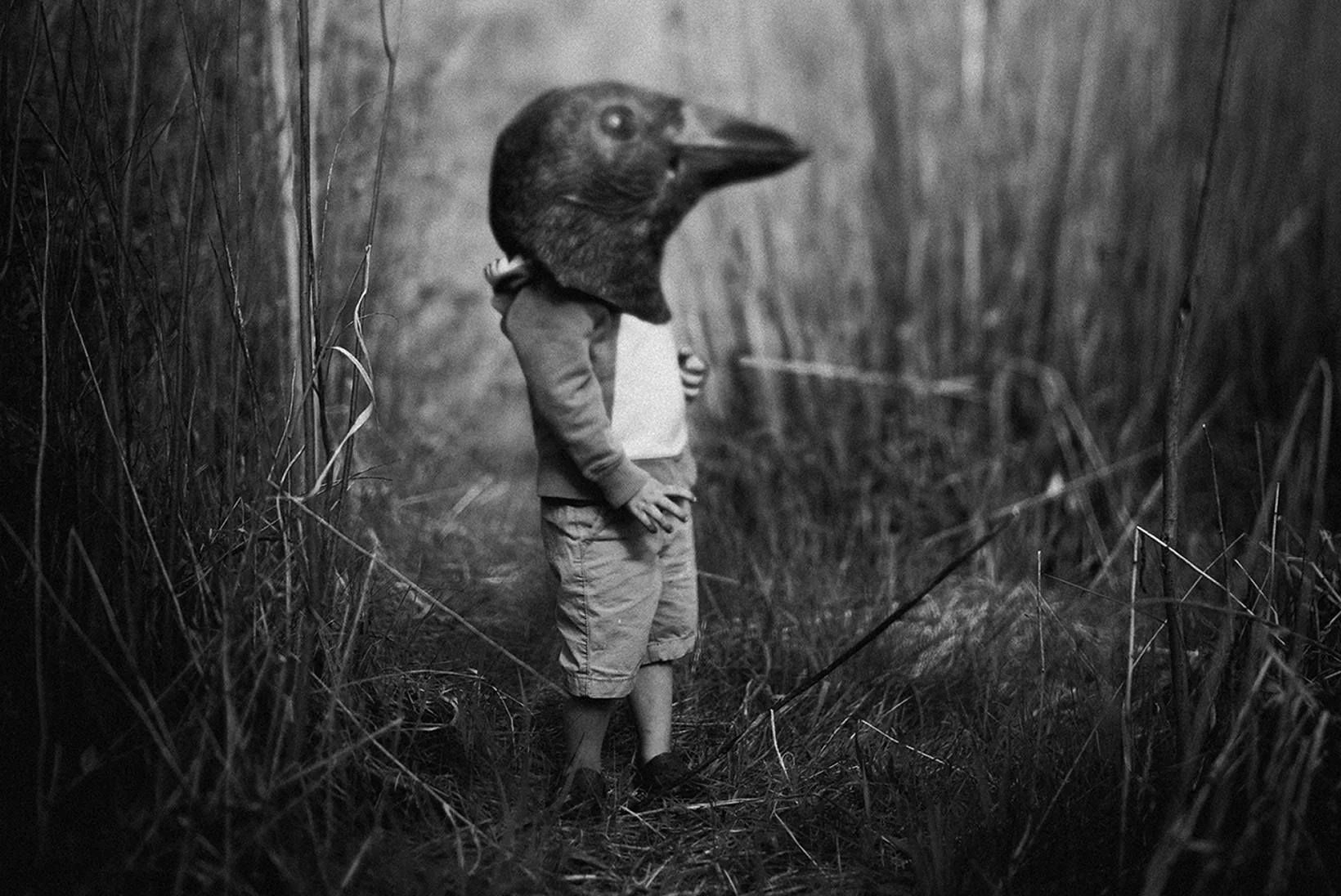
Overheard While Bird-Watching
Killdeer, Charadrius vociferus
Morning, pal. Chilly night, hope you fared OK. That fat old yellow sun ought to crest the ridge any minute. Or maybe not, given these rain clouds. I’m shooting to be an hour, two tops. Cool with you? My intention is to take it slow, avoid creating a ruckus. That said, I’m absolutely cranked on black coffee, like cranked cranked, a full French press plus a commuter mug in my jacket pocket. I’ll try not to be the most annoying guy you’ve ever met, but no promises.

Glory of the Seas
A couple of years ago I moved into a retirement village and had to do some serious downsizing. My shell collection went from five shelves to two, not counting the larger shells on lone display and the dozen or so whelks scattered about.
I’ve kept a few rare and uncommon shells: the junonia, the paper nautilus, the carrier shell. I’ve also kept the ones Mother sent me from her own collection. The bleeding tooth. Shells and rocks friends brought me from their vacations. Fossils I picked up on the beach. The purple cockle half Bobby—now Bob—and I found fifty years ago. (He has the other half.) The small, ocean-battered Triton we found during his first visit to Oregon. Various turkey wings, tulips, and spirulas. The fossilized whelk.
My life story on two shelves.
Missing
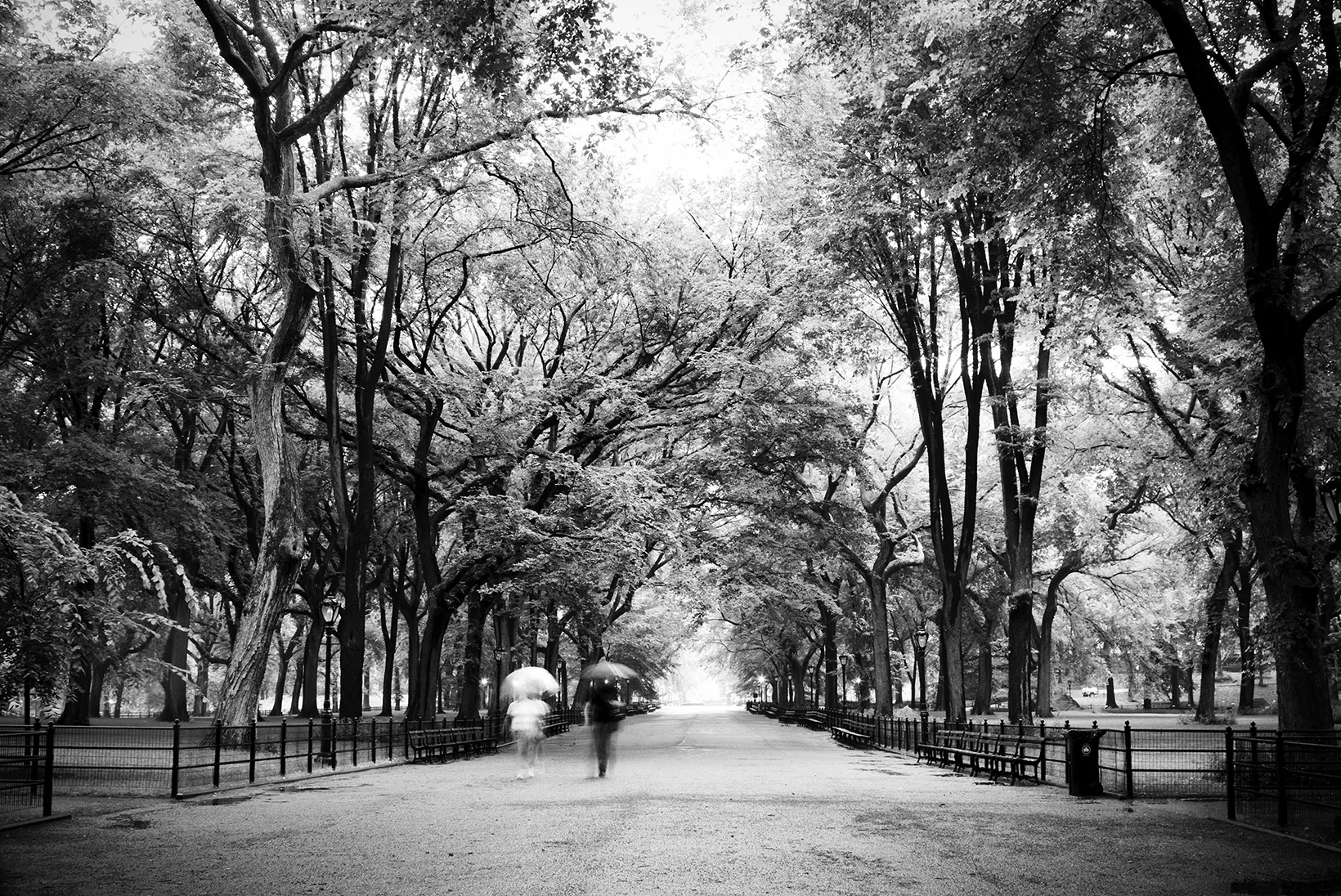
One week before the planes flew into the towers, I secured my first full-time, salaried job. I had applied to work for the New York City Parks Department at the suggestion of my roommate, Ethan. He’d recently quit his Parks job—not because he hadn’t liked it, but because he was, by his own reckoning, in the midst of a quarter-life crisis, brought on by the unexpected death of his father a few years earlier. Ethan regarded me as lucky because my mother had at least told me about her cancer diagnosis before she’d died. From his father he’d inherited a three-bedroom apartment on Roosevelt Island, just one subway stop and a short walk from Central Park. Ethan sublet my room to me for $667, a remarkably low rent for a building with a doorman, pool, and gym.
Glimpses
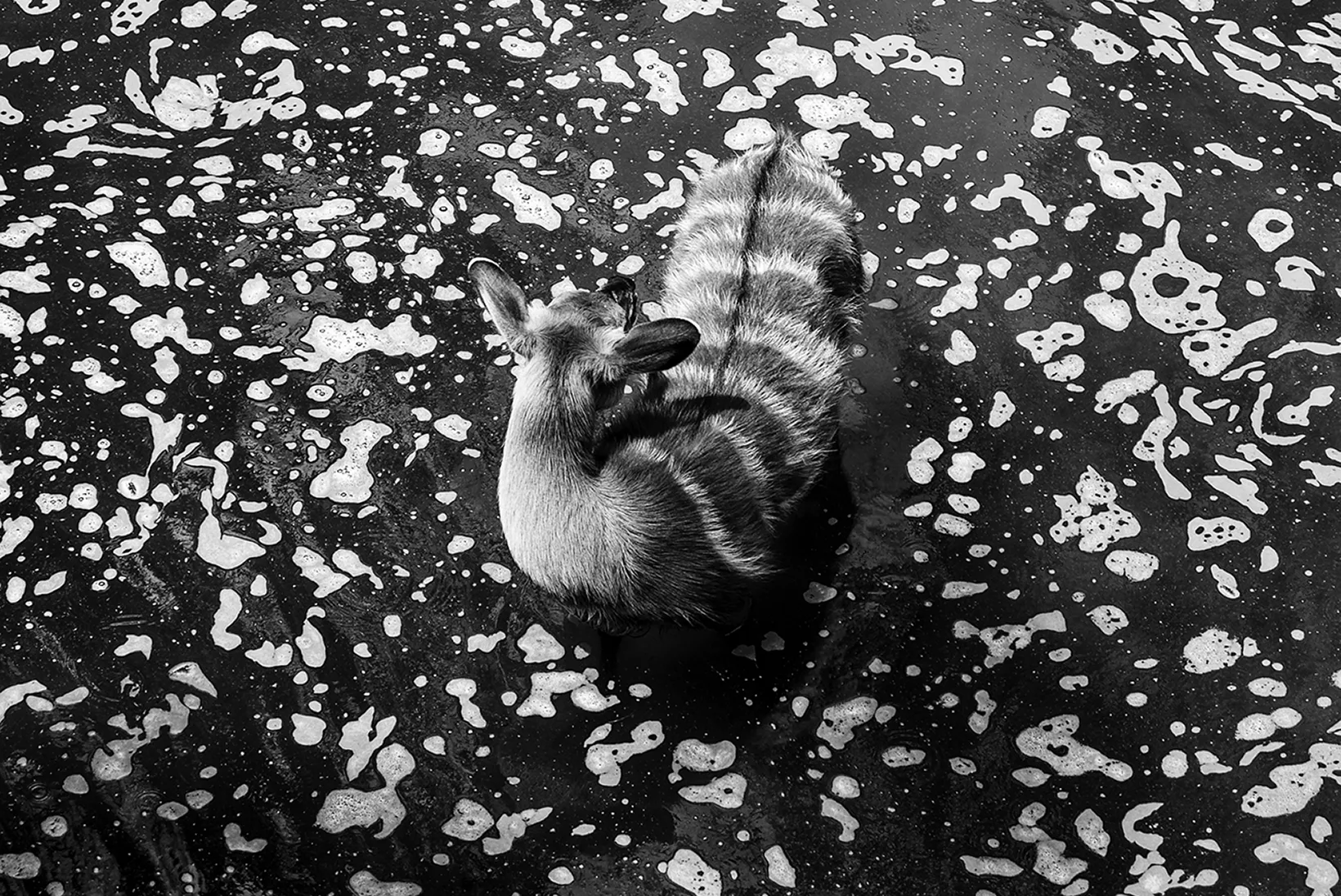
This is how we say I love you in my family:
“I stopped the truck to move two toads off the driveway last night.”
“The walking iris has three blooms on it today.”
“On my way to work, a fox crossed the road with a mallard in its mouth.”

The Healer
He was riding the train to his teaching job when he heard about Skimmer’s bike accident in a post from another college friend. It was noon in Tokyo, where he was an English instructor; his conversation school opened in thirty minutes. Skimmer had been one of his closest friends in college. They’d lived on the same floor for two years and had shared an off-campus house with others for three years after that. Skimmer had started mountain biking their first semester in the house. Sometimes he would have accidents, and his blood would smear the bathtub while he dressed his wounds. But then he would clean, and when Skimmer cleaned, he scrubbed and wiped and penetrated each corner, calling upon a small orchestra of sprays and rags, brushes and solutions. It was like watching Leonard Bernstein scour a tub.

Wandering on the Margins
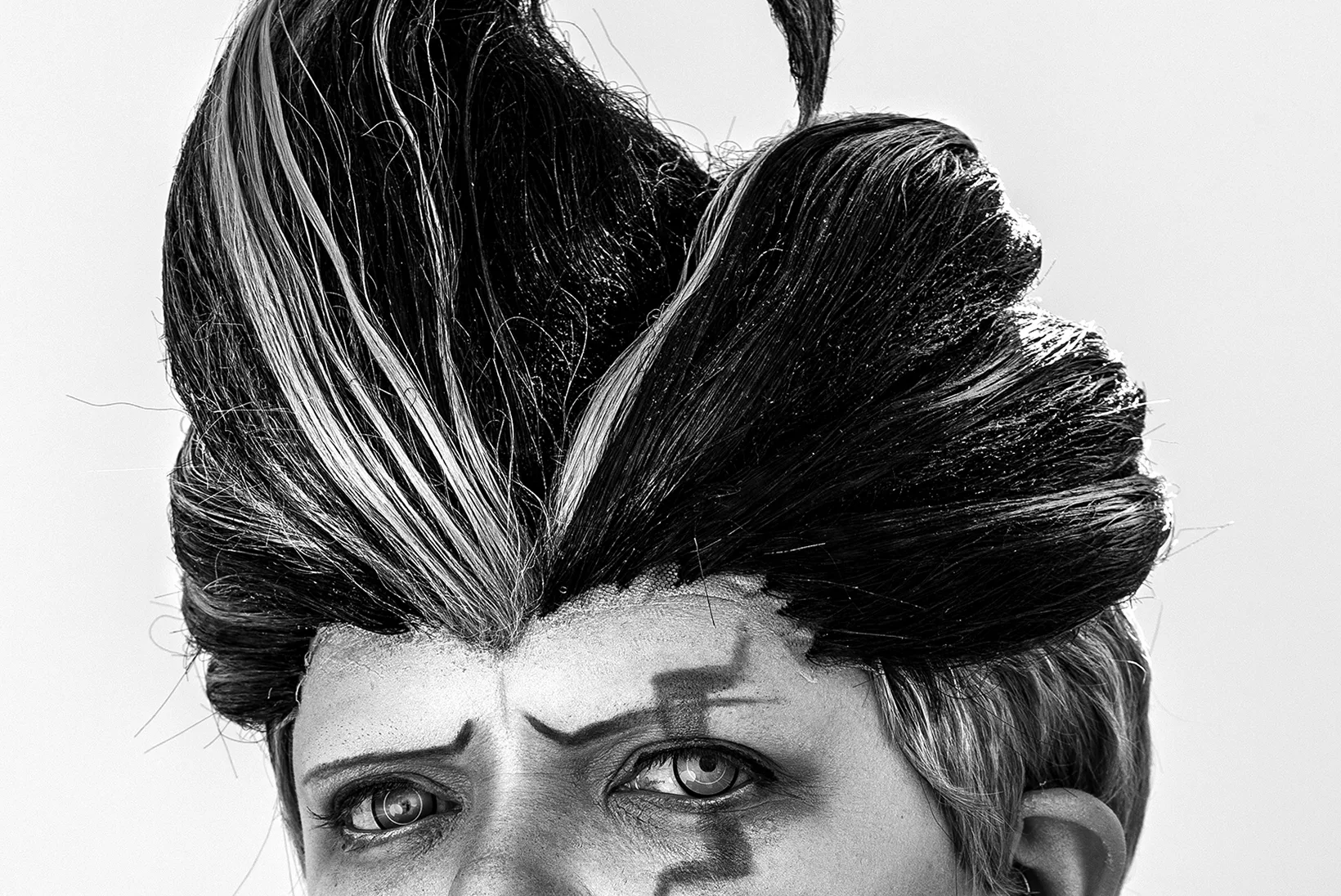
From 2017 to 2020 I took portraits of interesting characters on the streets of Venice Beach, Long Beach, Hollywood, and Anaheim, California. The work was motivated by my love of the human face and fascination with people who, for one reason or another, don’t blend in: street performers, members of cosplay subcultures, people experiencing homelessness, individuals dealing with substance abuse disorders. I offered each person lunch money in exchange for their picture. For the background I used a portable white backdrop—Richard Avedon–style. The nontraditional composition is an extension of the series title, a way of portraying a group of people who often occupy our peripheral field of vision. I also wanted to explore the human tendency to evaluate and even judge others based on limited information.
—Andy Hann
A Thousand Words
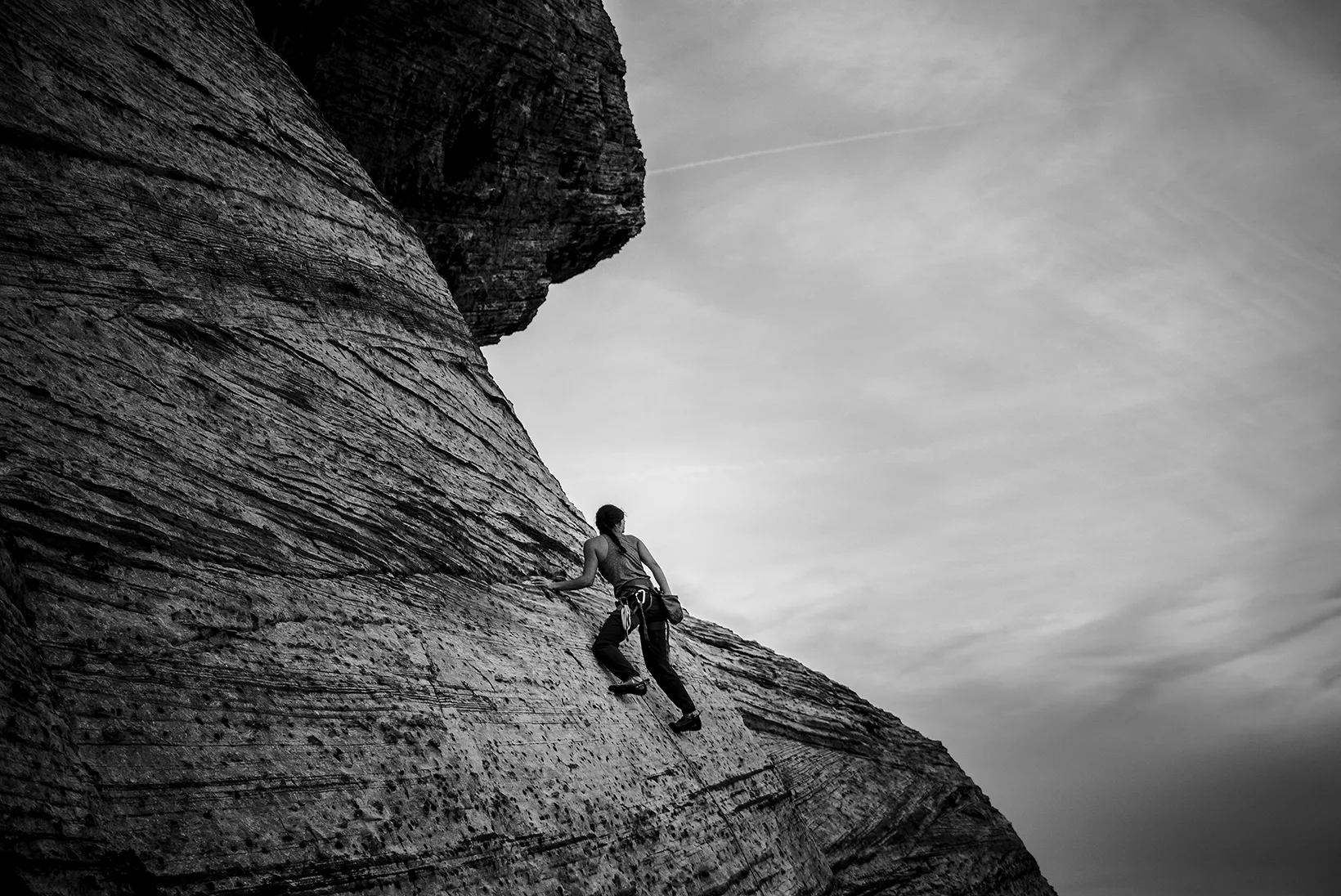
A Thousand Words features photography so rich with narrative that it tells a story all on its own.
Goodbye Note
Someone hung wind chimes in our cemetery / and a wren house / and mirrored mylar pinwheels.
Black-Necked Stilt
Because I did not know the bird / I looked at, I memorized its features— // the stately black neck; the thin / black beak and long rose-pink legs;


