Browse Sections
The Sun Interview
Loving The Stranger
Rabbi Michael Lerner On The Folly Of Nationalism
The people who preach that “politics is the art of the possible” continually forget that we don’t know what’s possible; we find out by struggling for what’s desirable. Instead of listening to those who tell you to pick goals that can be achieved in the current political landscape, I say pick goals that will create the kind of world you want.
September 2012
What Ails Us
Gabor Maté Challenges The Way We Think About Chronic Illness, Drug Addiction, And Attention-Deficit Disorder
Consider all the stresses of life in a society where people feel little sense of control and lots of uncertainty all the time; . . . where relationships are often troubled; where parents are not available for their kids because they’re too busy. Under such conditions, you’re more likely to get sick. Nearly 50 percent of American adults have a chronic illness.
August 2012
Conversations With A Remarkable Man
Honoring The Late James Hillman
Why is there such a vast self-help industry in this country? Why do all these selves need help? They have been deprived of something by our psychological culture. They have been deprived of the sense that there is something else in life, some purpose that has come with them into the world.
July 2012
Water, Water Everywhere
Ran Ortner’s Love Affair With The Sea
If I could convey the ocean’s paradoxes, its ferocity and tenderness, in the same image, I could possibly awaken the viewer to a place where language drops away. By setting these massive, lush paintings in the artificial environment of the contemporary gallery, I intend to make it feel astonishing, to have an impact so immediate that it becomes what Kafka called an “ax for the frozen sea inside us.”
June 2012
In Their Backyard
Robert D. Bullard On The Politics Of Where We Put Our Trash
We need a system to determine when a community has already shouldered its fair share. Right now, if someone wants to build a hazardous-waste facility, the EPA or state will assess the risk to nearby residents from that new facility only; the risks posed by the three or four or five polluters already in the area aren’t added to the equation. So there is nothing that might trigger the EPA or state to say that this community is overburdened by pollution.
May 2012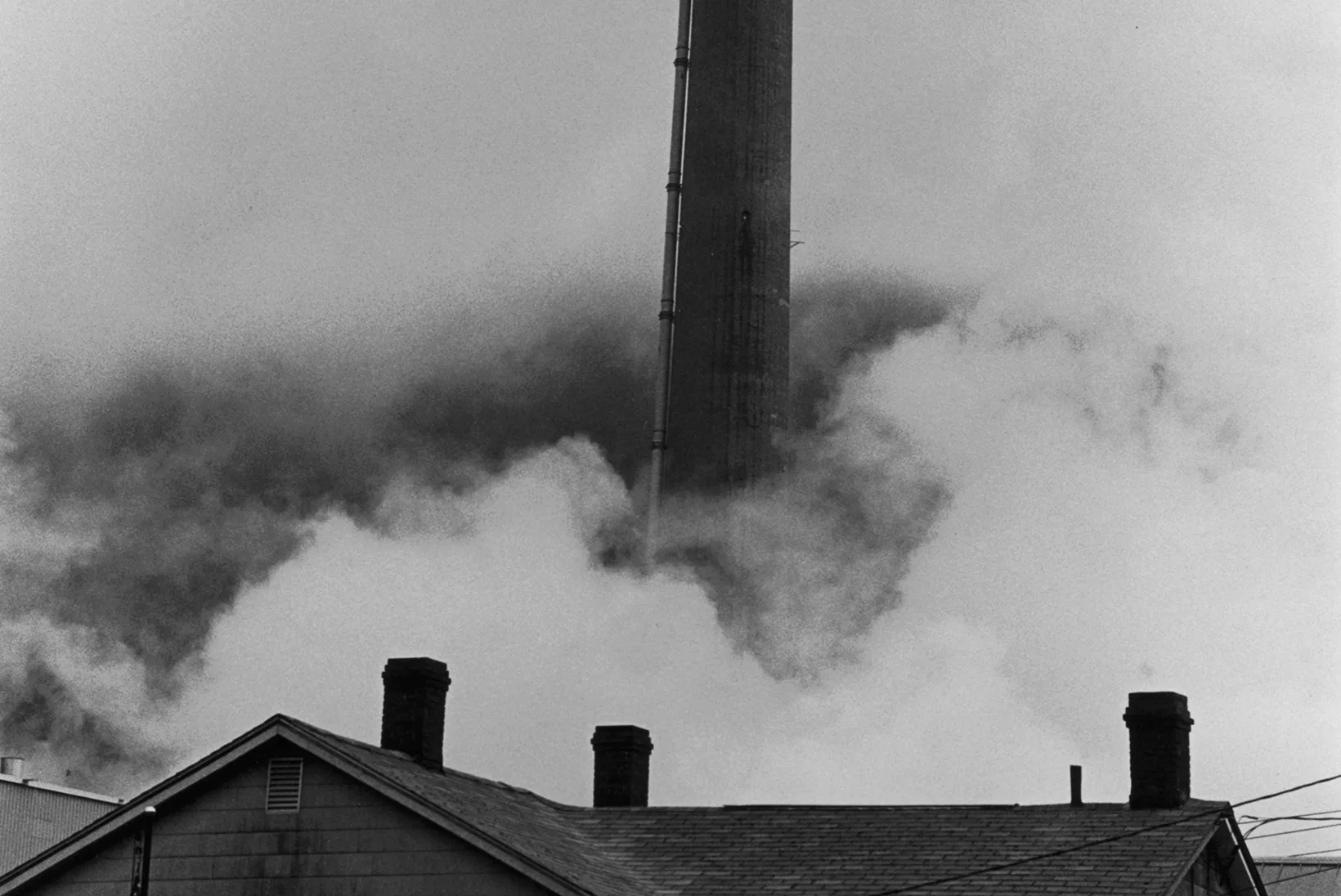
The Butterfly Effect
Julia Butterfly Hill On Activism, Tax Resistance, And What She Learned From A Thousand-Year-Old Redwood
Yet I remind people that what’s referred to as a single tree-sitting action was, for me, 738 separate days: twenty-four hours in a day; sixty minutes in an hour; sixty seconds in a minute. It was the moment-by-moment process that transformed me.
April 2012
Side Effects May Include
Christopher Lane On What’s Wrong With Modern Psychiatry
There are more than a hundred more mental disorders in the DSM today than we had in 1968, including incredible new ones such as “sibling-relational problem” and even “partner-relational problem.”
March 2012
Capitalism And Its Discontents
Richard Wolff On What Went Wrong
Now let’s look at the history of the individual income tax. In the 1950s and 1960s the top income-tax bracket for an individual was 91 percent. That means that for every dollar an individual earned over a certain amount — let’s just say one hundred thousand dollars — he or she had to give Uncle Sam ninety-one cents. Even in the 1970s it was still 70 percent. What is the tax rate for the richest Americans today? Thirty-five percent. Think of it: the tax rate for the richest Americans went from 91 percent down to 35 percent. Now, that’s a tax cut the likes of which has never been enjoyed by the vast majority of Americans.
February 2012
Oh Baby
Ina May Gaskin On The Medicalization Of Birth
There is an energy associated with labor and birth. Birth is holy and sacred. But you have to be respectful of mother and baby, or you’ll miss it. If we come to it with a sense of awe and treat the mother with kindness and respect, birth can be a truly spiritual, empowering experience.
January 2012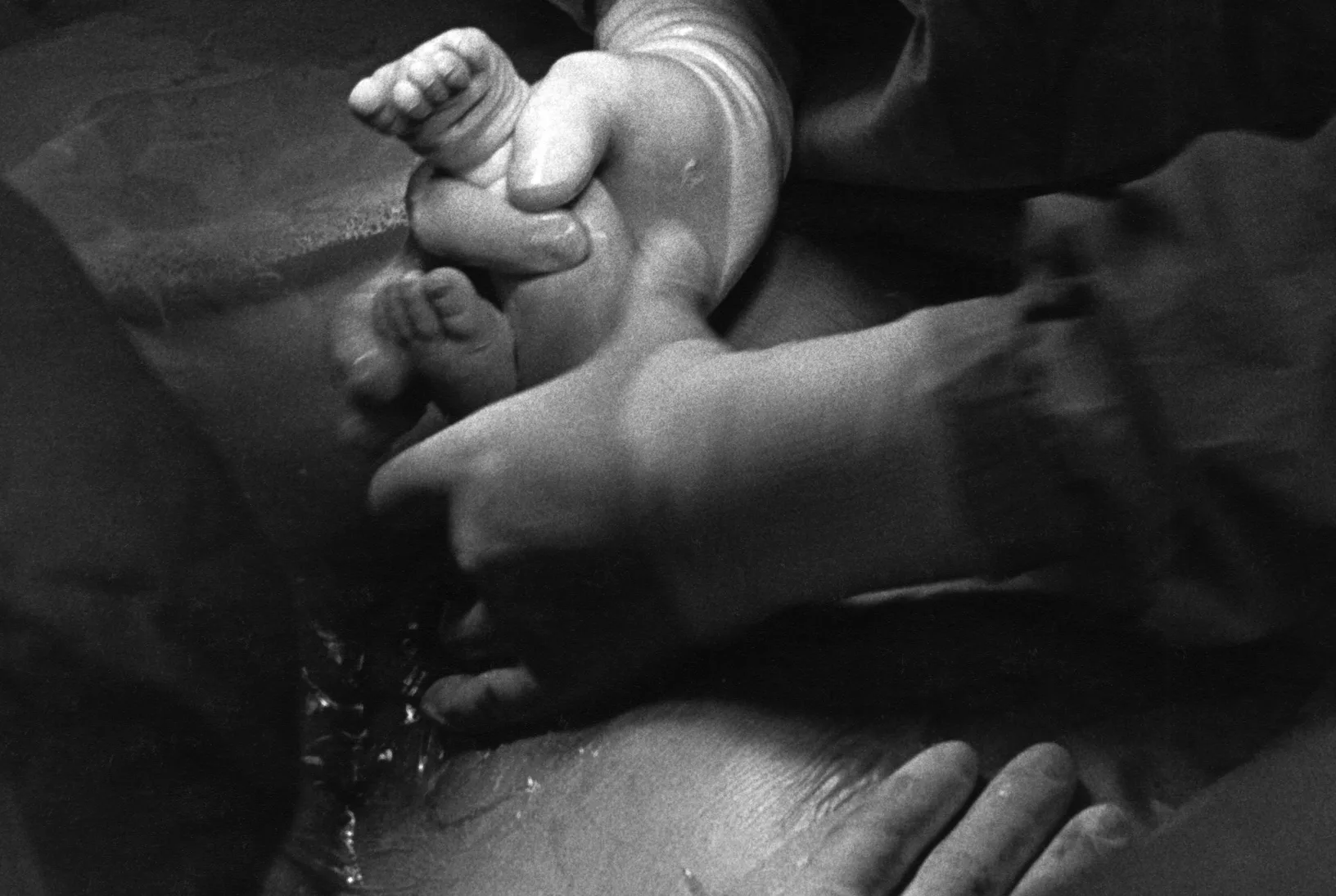
Beyond Belief
Jacob Needleman On God Without Religion
But if you really give your full attention to nature, it does speak to you. If you’ve ever been out in the woods and suddenly experienced a shock of grief or awe or a sense of belonging to something greater, that’s because nature has spoken to you. That’s why there’s a timeless, universal tradition of experiencing God in nature. It’s one way of recognizing that we’re part of something greater than ourselves.
December 2011


Personal, political, provocative writing delivered to your doorstep every month—without a single ad.
Subscribe Today