Browse Topics
Economics
Sunbeams
August 2004Being a mother is a noble status, right? Right. So why does it change when you put “unwed” or “welfare” in front of it?
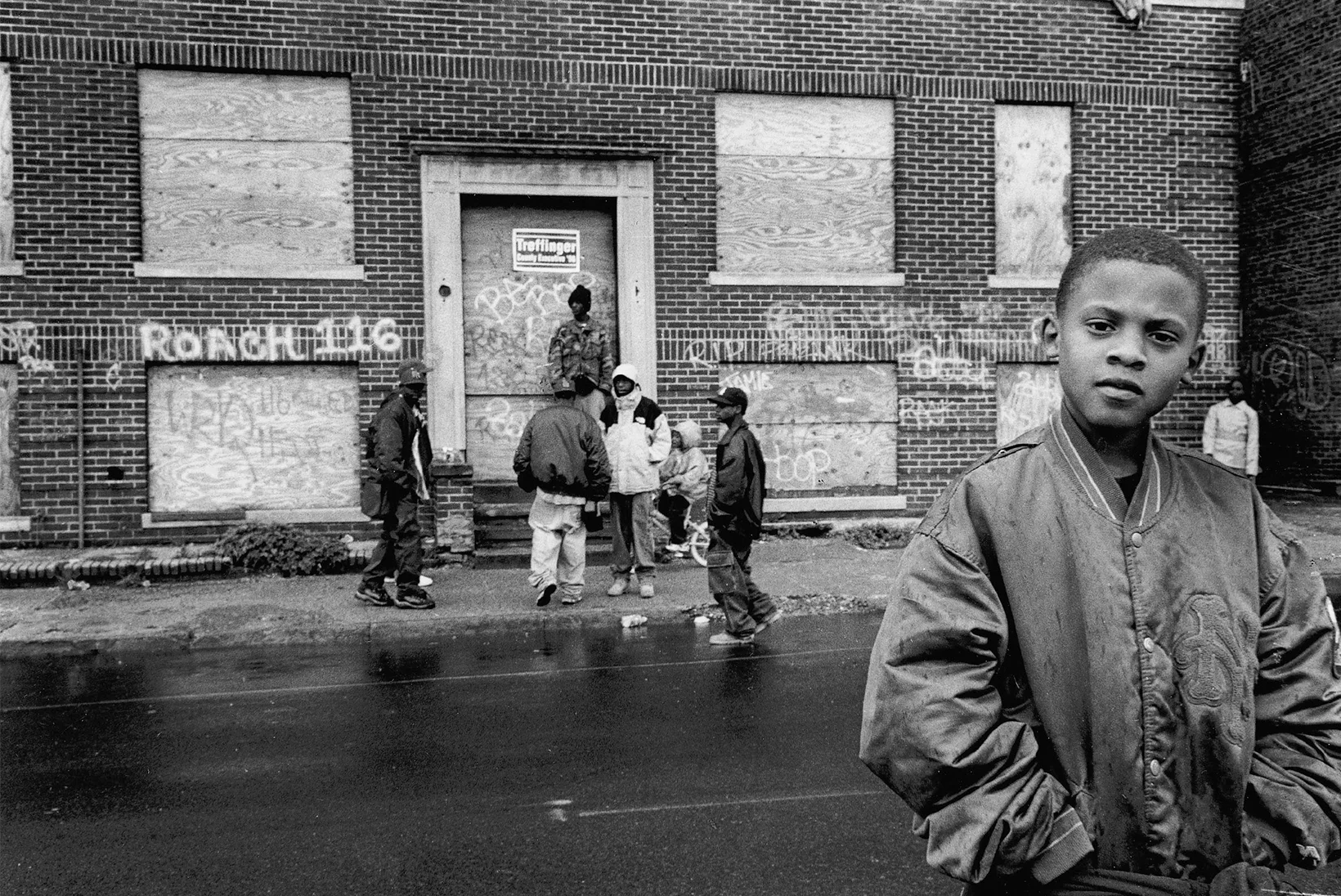
Will Work For Food
Sharon Hays On The Real Cost Of Welfare Reform
Look at it this way: Keeping a child on welfare costs about sixteen hundred dollars a year in cash and services. To keep that same child in foster care costs about six thousand dollars a year. And if that child winds up in prison, the cost is around twenty thousand dollars a year. Most governments figured out a long time ago that welfare is the cheapest way to keep people out of institutions — and also to keep them from taking to the streets to protest their poverty.
August 2004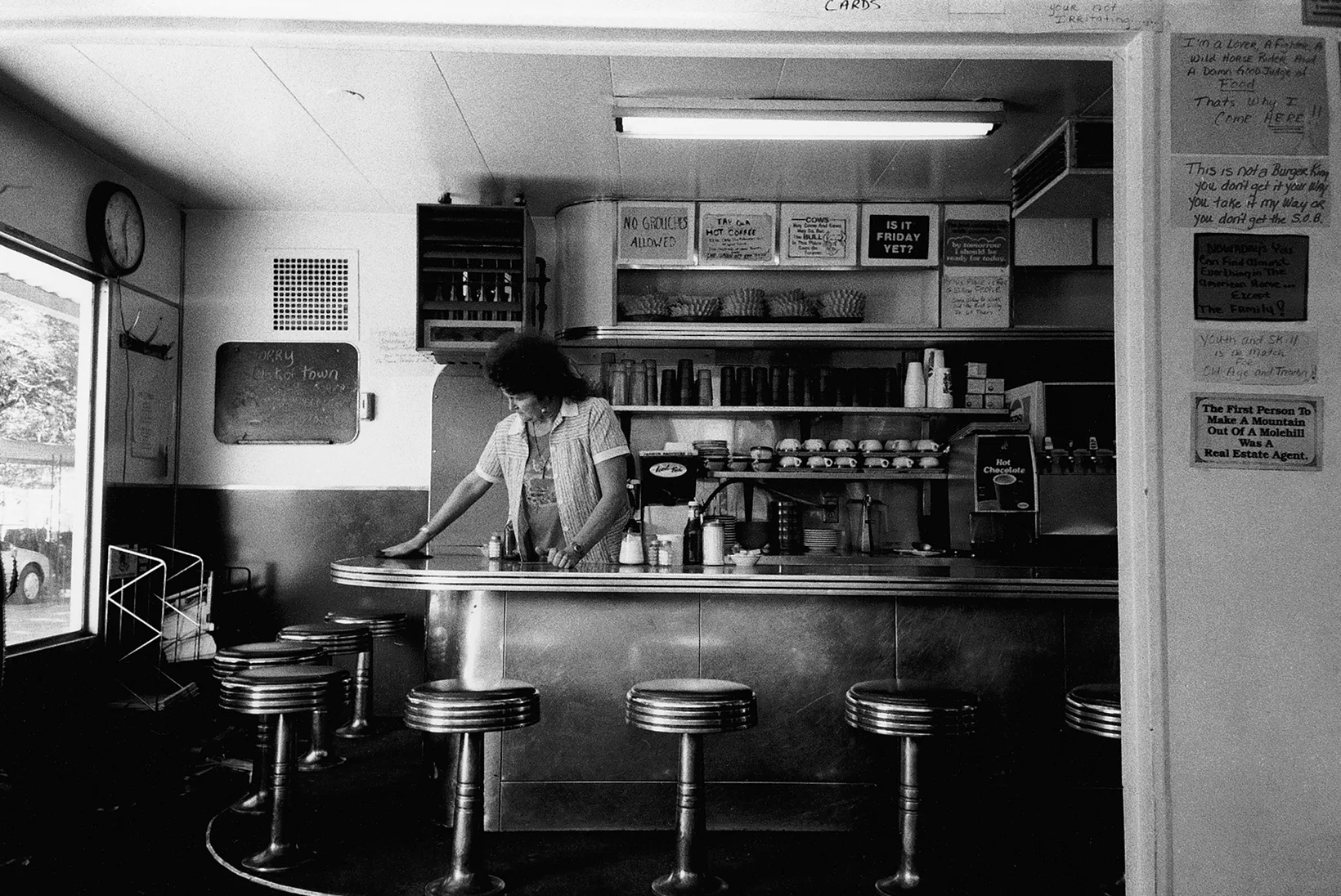
Wonder Bread
All that winter, when I was deep into my self-deprivation, self-imposed-poverty phase, I walked the filthy, noisy streets of downtown LA, my used laptop on my back, toting a Ralph’s grocery bag containing my lunch: a quart yogurt container of brown rice and cabbage, a half-rotten apple, and a few crumbled matzohs (two boxes for ninety-nine cents at the ninety-nine-cent store).
August 2004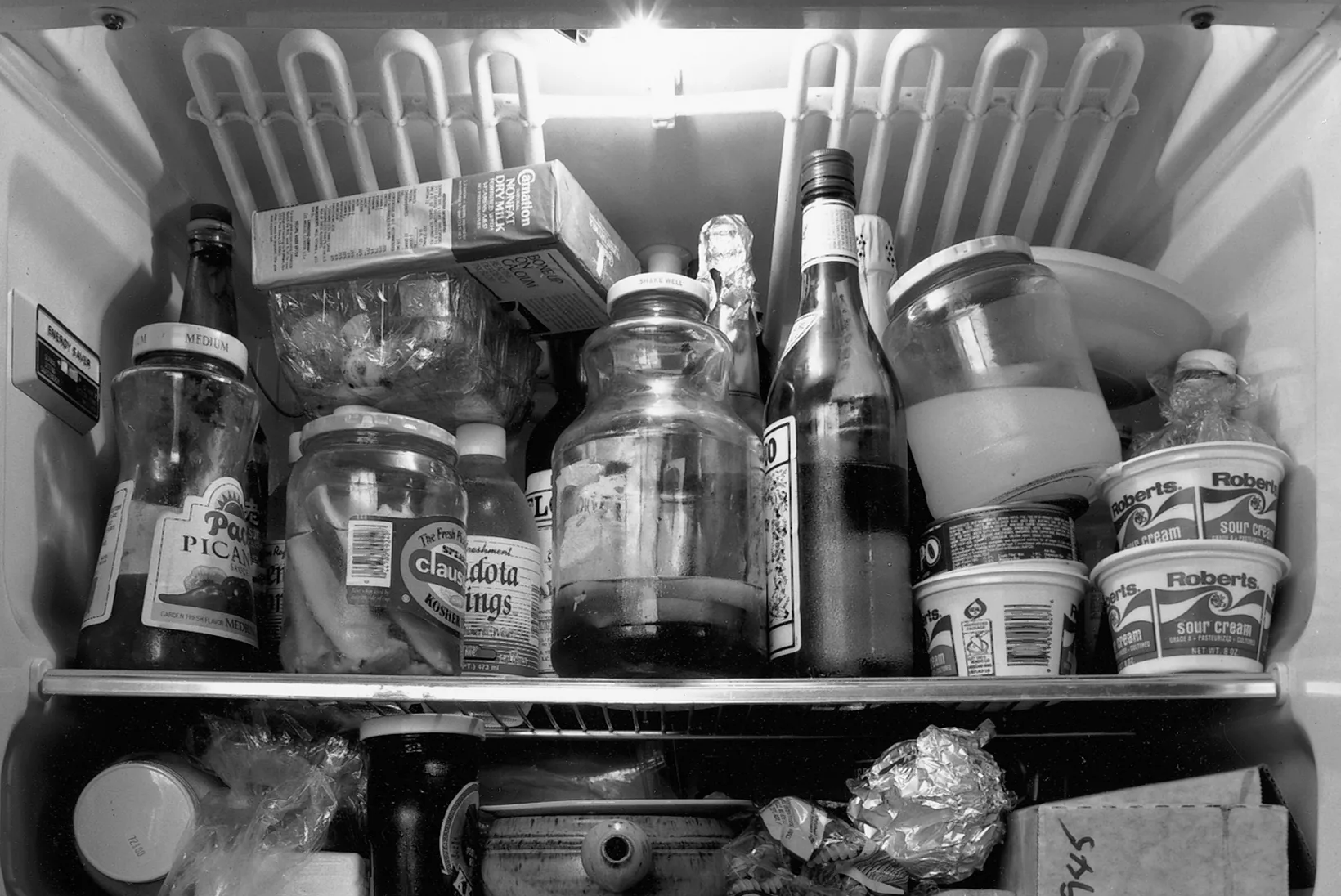
My Country ’Tis Of Thee
I’m not really all that comfortable with foreign people. I always catch myself being overly friendly, nicer than I really am, my nouns and verbs more carefully selected, doggedly enunciated, punctuated with tight smiles. And volume is a problem. I start high, and after fifteen minutes, I hear myself yelling. Words far too kind, in a fortissimo that wears everybody out.
August 2004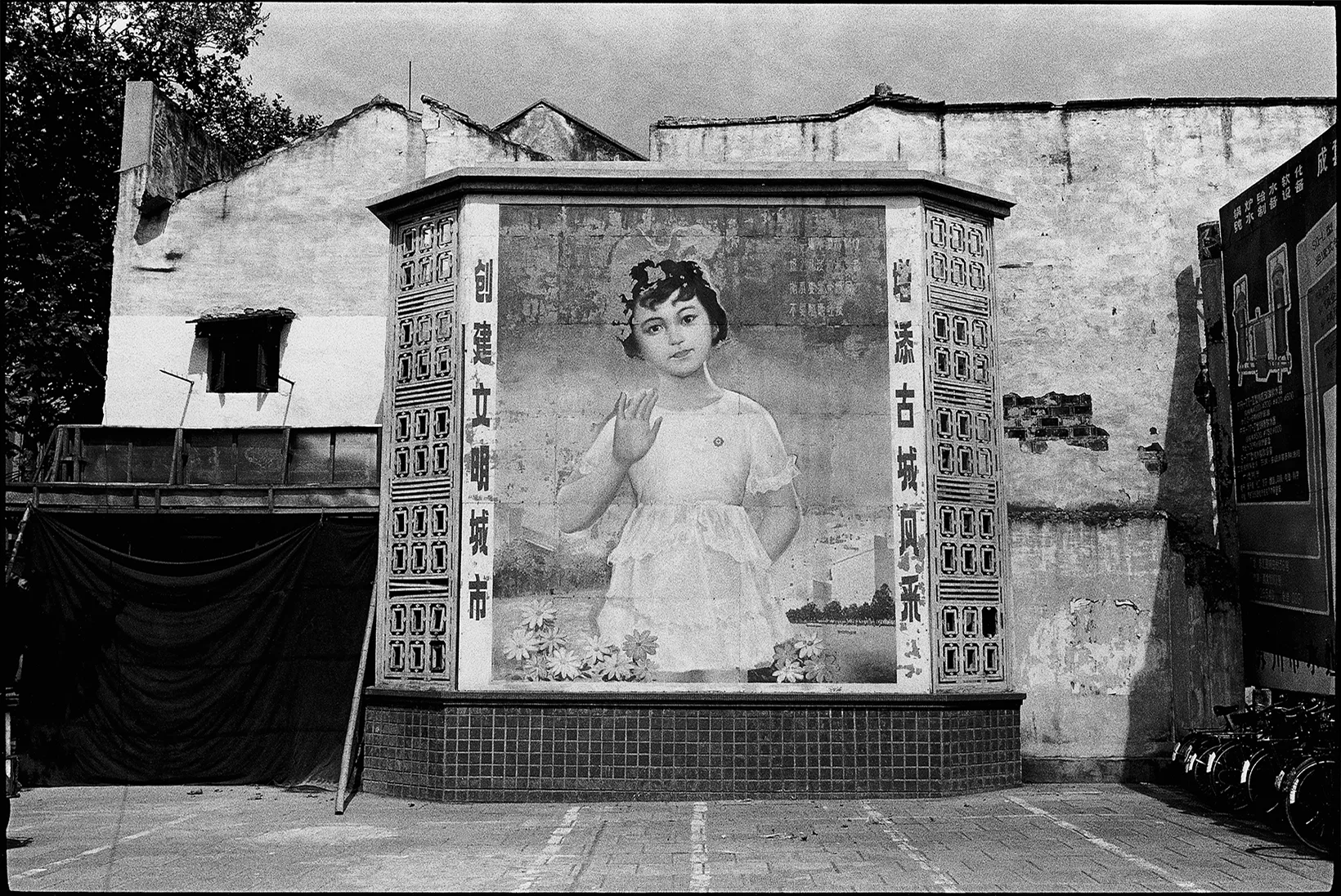
A Friend Of The Sun
From half a lifetime away, I saw an idealistic young man, hair down to his shoulders, standing on the street with a stack of magazines under his arm. He, too, was struggling to overcome his shyness as he tried to describe his new magazine to passersby. The afternoon light was fading, but he wasn’t ready to quit just yet. I imagined reaching across the years to shake his hand, to thank him for not letting shyness get the best of him, to encourage him to keep on.
June 2004In A Dangerous Time
Bruce Cockburn On His Rage, His Music, And His Hunger For The Divine
What the occupation of Iraq, and the public perception of it in the U.S., reminds me of is the German occupation of Holland during the Second World War. The Germans thought that the Dutch would welcome them with open arms, but of course the Dutch hated them. And the German people were offended. That’s what we’re seeing in the United States. People were told before the war that the Iraqis were going to welcome Americans with open arms, because the U.S. was saving them from this horrible dictator. But they haven’t.
June 2004
Two Essays
Having failed to pay the rent for three months, my mother, my little brother, and I came home to find an eviction notice on our trailer. The front door was barred.
May 2004
A Brief History Of My Money-Back Guarantee
Last November I published the following poem in The Sun: If you are / dissatisfied / with / this poem / IN ANY WAY, / return it to: / Sparrow, P.O. / Box 63, / Phoenicia, / NY 12464.
May 2004Weapons In The War For Human Kindness
Why David Budbill Sits On A Mountaintop And Writes Poems
Leading up to the war, I doubted the value of anything but antiwar poetry. I thought all my nature poems were . . . well, stupid. But the moment the antiwar movement failed and the bombing began, I knew how important poems about birds and trees and loneliness and sex and food and joy were. I knew those little poems were weapons in the war for human kindness.
March 2004
Biting The Hand That Feeds: How Globalization Cripples Small Farms
An Interview With Vandana Shiva
This year farmers started to commit suicide in Uttar Pradesh, the richest agricultural state in India. Some of the most fertile soil in the world can be found there, and the region has never had agricultural problems. But the first rule of globalization says, “Don’t grow food for yourself; grow export crops.” So the farmers there all grew potatoes. And then potato prices collapsed. The potato-chip makers have walked off with super profits, and the farmers have been left with huge debts.
February 2004


Personal, political, provocative writing delivered to your doorstep every month—without a single ad.
Subscribe Today