Browse Topics
Poverty
Carolina Mill, 1932
In the spring of 1932, when I was twelve years old — the last year of my childhood, as I understood it — my grandfather left the farm and came to live with us. His wife, my mother’s mother, had just died, and he could no longer get loans to keep the farm going. My father had already given up farming a few years earlier, and we were living in the village outside the Bell cotton mill.
June 2011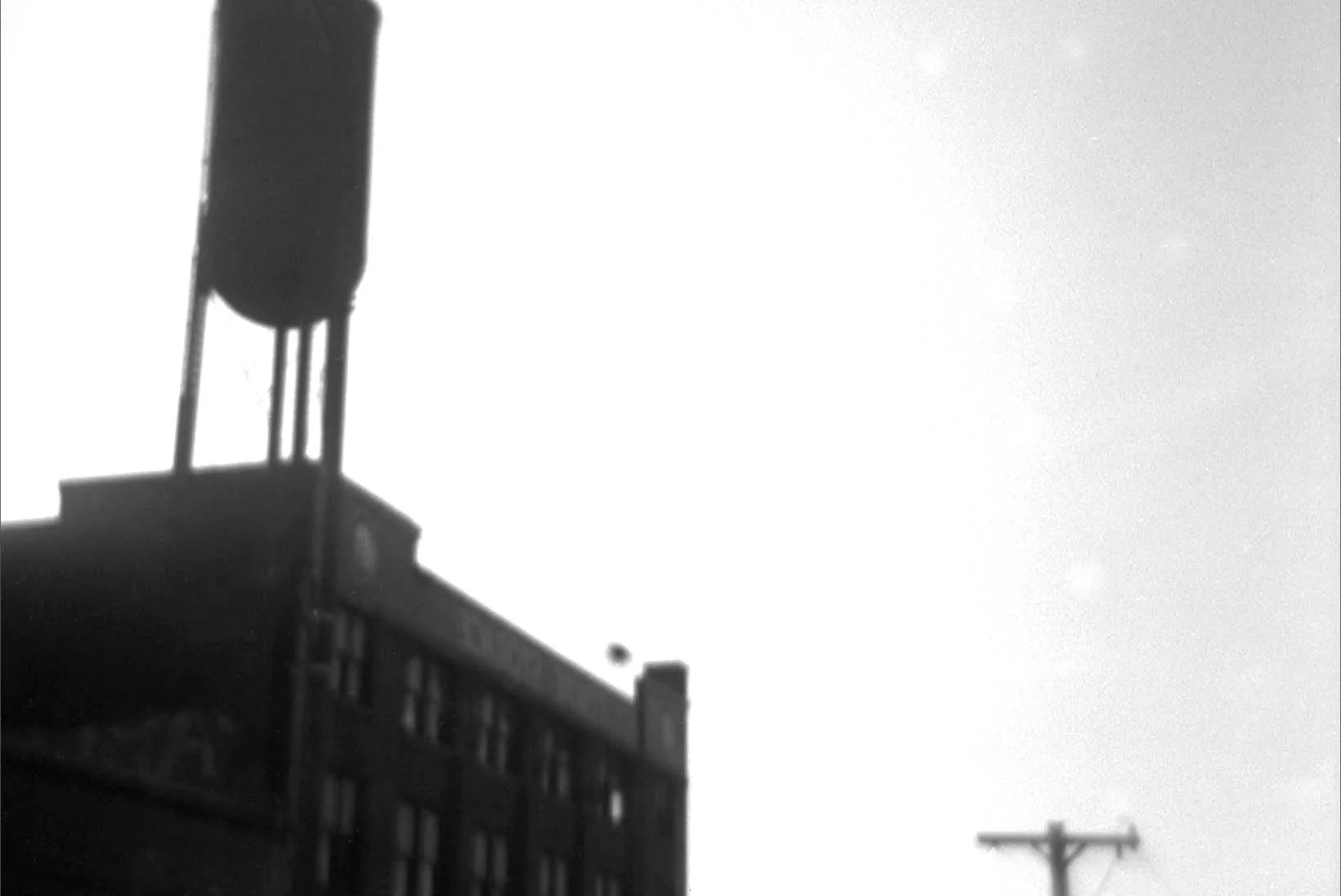
The Back Door
Catching fireflies, caring for a newborn calf, hearing a slamming door for the first time
April 2011
Sunbeams
February 2011Laws bind us. But it is important to remember the law is only what is popular. Not what’s right or wrong.

The Hawk
Recently a man took up residence on my town’s football field, sleeping in a small tent in the northwestern corner, near the copse of cedars. He had been a terrific football player some years ago for our high school, and then had played in college, and then a couple of years in the nether reaches of the professional ranks, where a man might get paid a hundred bucks a game plus bonuses for touchdowns and sacks.
February 2011
Making It Last
Shared desserts, a summer romance, the last batch of pickled plums
February 2011
Throwing Away The Key
Michelle Alexander On How Prisons Have Become The New Jim Crow
Yes, during the original Jim Crow era Whites Only signs hung over drinking fountains, and black people were forced to sit at the back of the bus. There was no denying the existence of the caste system. But today people in prison are largely invisible to the rest of us. We have more than 2 million inmates warehoused, but if you’re not one of them, or a family member of one of them, you scarcely notice. Most prisons are located far from urban centers and major freeways. You literally don’t see them, and when inmates return home, they’re typically returned to the segregated ghetto neighborhoods from which they came, leaving the middle class unaware of how vast this discriminatory system has become in a very short time.
February 2011
Faccia Tosta
VISTAs didn’t draw paychecks. Volunteers in Service to America, we signed on to live, theoretically, like our clients — in this case, convicts in North Carolina prisons.
February 2011After All This Is Over
We got dressed up to go to the courthouse. It was strange to be out of school, and even stranger to be heading off to appear before a judge to prove that our family was broke, but our mother insisted we kids come along. My brother and I sported polyester suit coats handed down from our cousins in Terre Haute, and the girls wore the same dresses they had worn for our grandparents’ funerals.
June 2010
Borrowing
A beautiful fountain pen, dresses torn at the waist, the Dallas Cowboys
February 2010
Slab City
Slab City is a squatters’ community located on a desolate swath of Southern California desert, just a few miles from the town of Niland. Drifters, dropouts, artists, outlaws, and other cultural dissidents have been coming here for more than four decades. They set up camps on the crumbling concrete foundations of a former military base and live in trailers, vans, and buses.
February 2010


Personal, political, provocative writing delivered to your doorstep every month—without a single ad.
Subscribe Today