Browse Topics
Agriculture
Dream A Little Dream
Bill McKibben On Reforming Our Supersized Society
The real struggle is to get past the notion of growth as our reason for being, which has dominated our culture since World War II. It’s the organizing principle for government policy and most other institutions in our society, including higher education. This is not a tenable model anymore. When you consider global warming, peak oil, and the diverging fortunes of rich and poor nations, it gets harder and harder to maintain this fervent, Alan Greenspan belief that if we continue to increase the size of the system, all will be well.
October 2006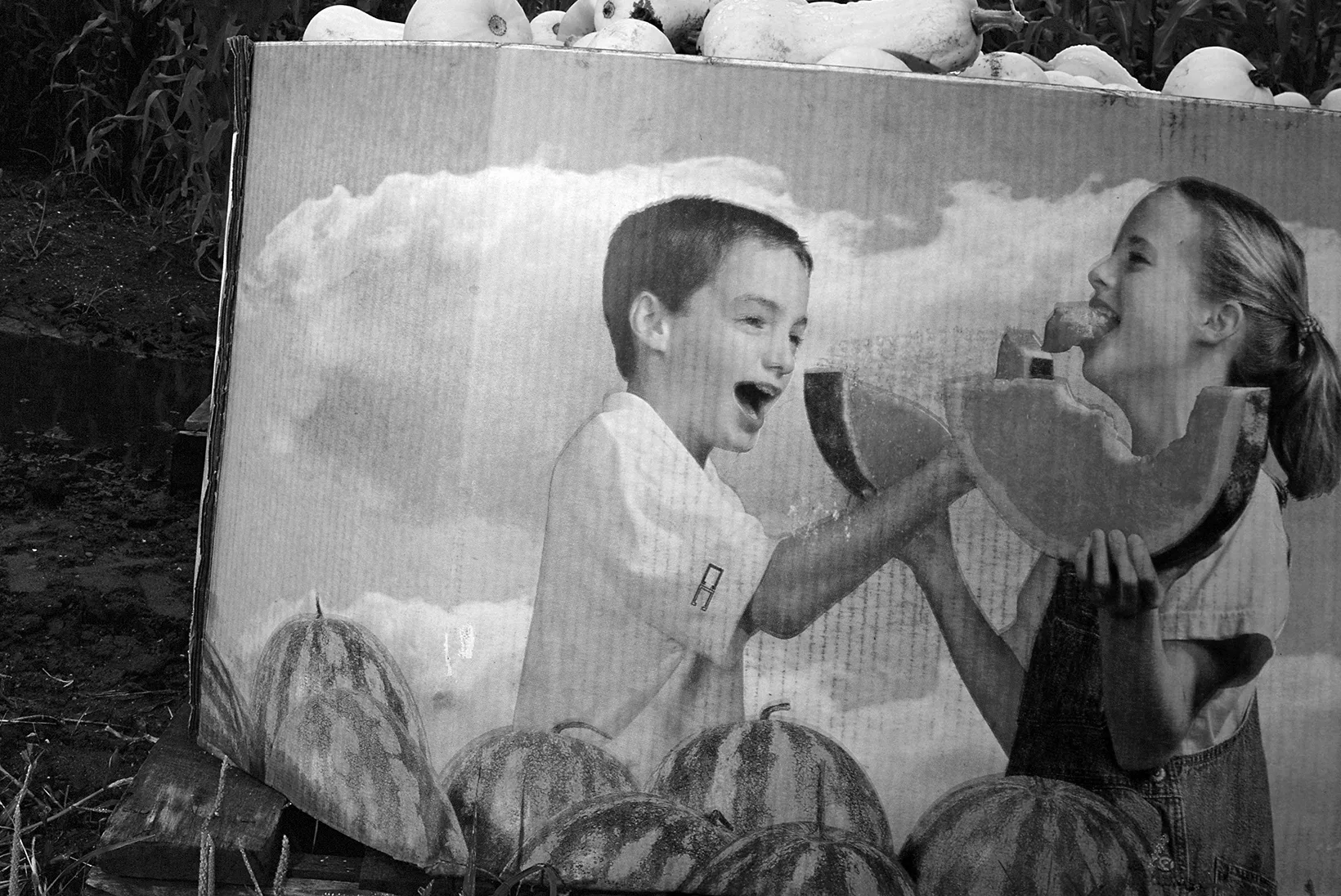
Lost In The Supermarket
Michael Pollan On How The Food Industry Has Changed The Way We Eat
Families used to control what their members ate and pass along learned wisdom in the form of a food culture. Now that’s gone. Most people don’t eat as families. We eat individually, going one-on-one with the food supply, which is how the food industry likes it.
May 2006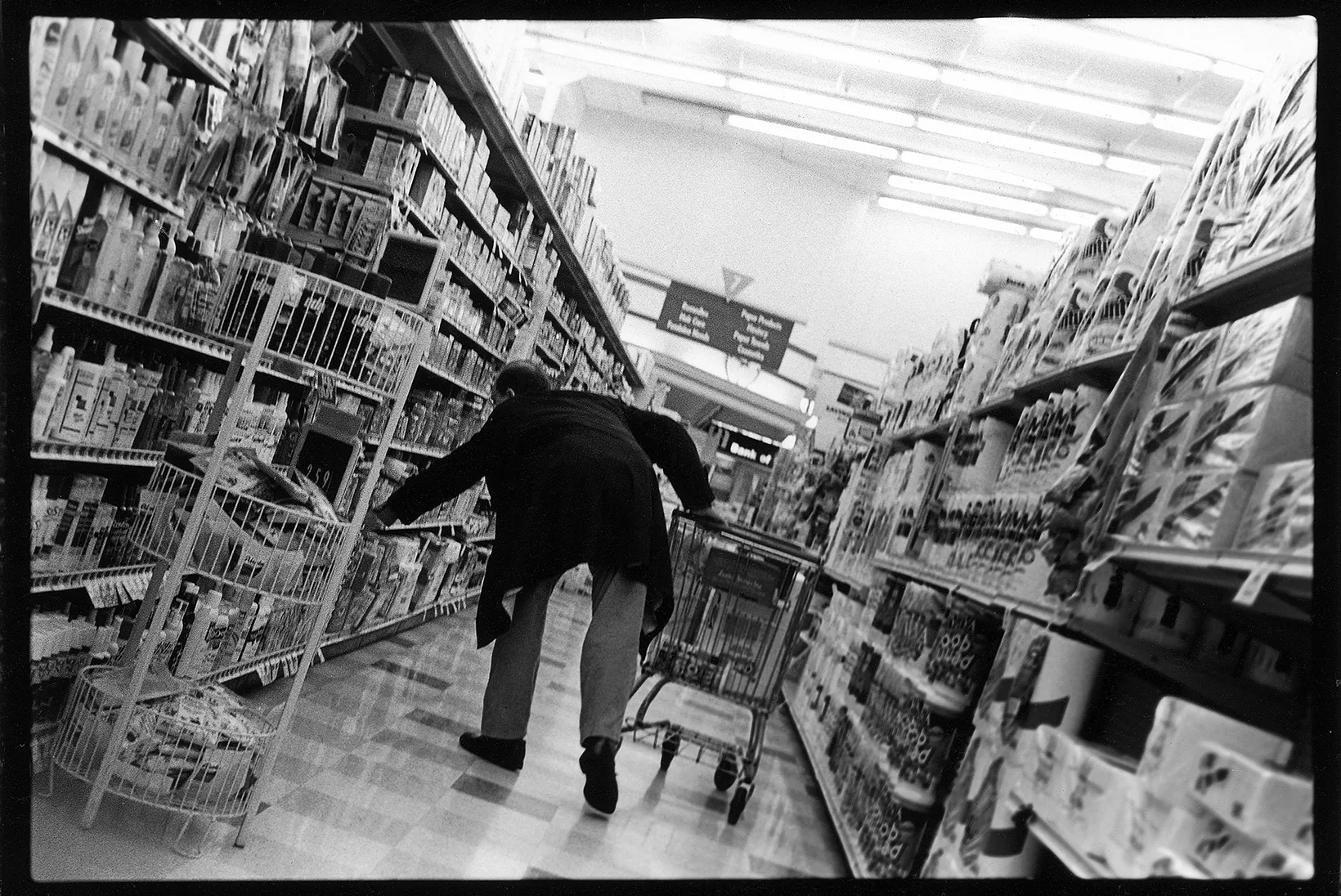
The Anxiety Of Eating
An Excerpt From The Omnivore’s Dilemma
Historically, national cuisines have been remarkably stable and resistant to change, which is why the immigrant’s refrigerator is the very last place to look for signs of assimilation.
May 2006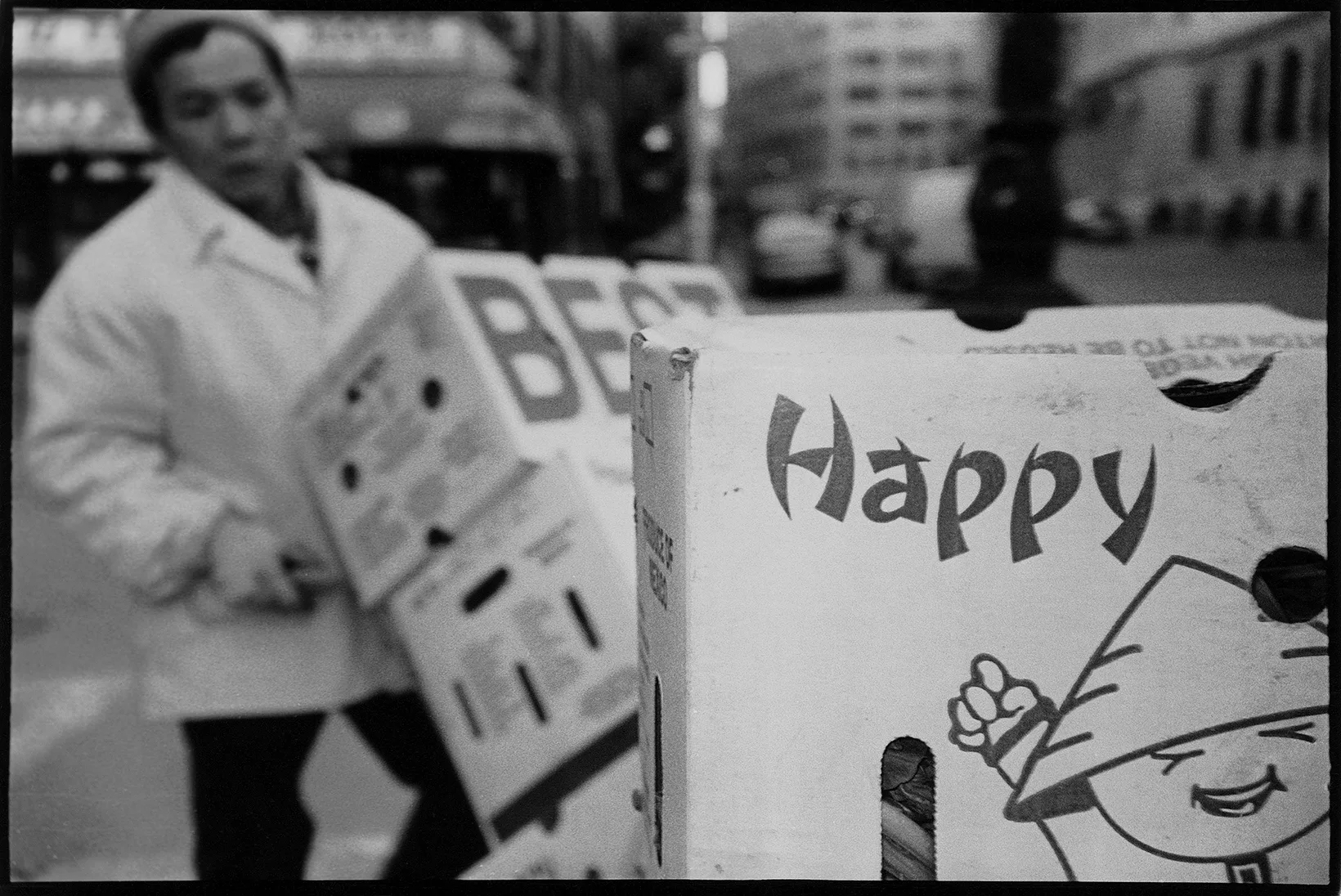
Seventy-Two Labors
Even though the butcher section was in the back, I could smell animal flesh when I came through the doors, the faint stench that leaked through the plastic wrap and rose above the ammonia smell of the floors.
May 2006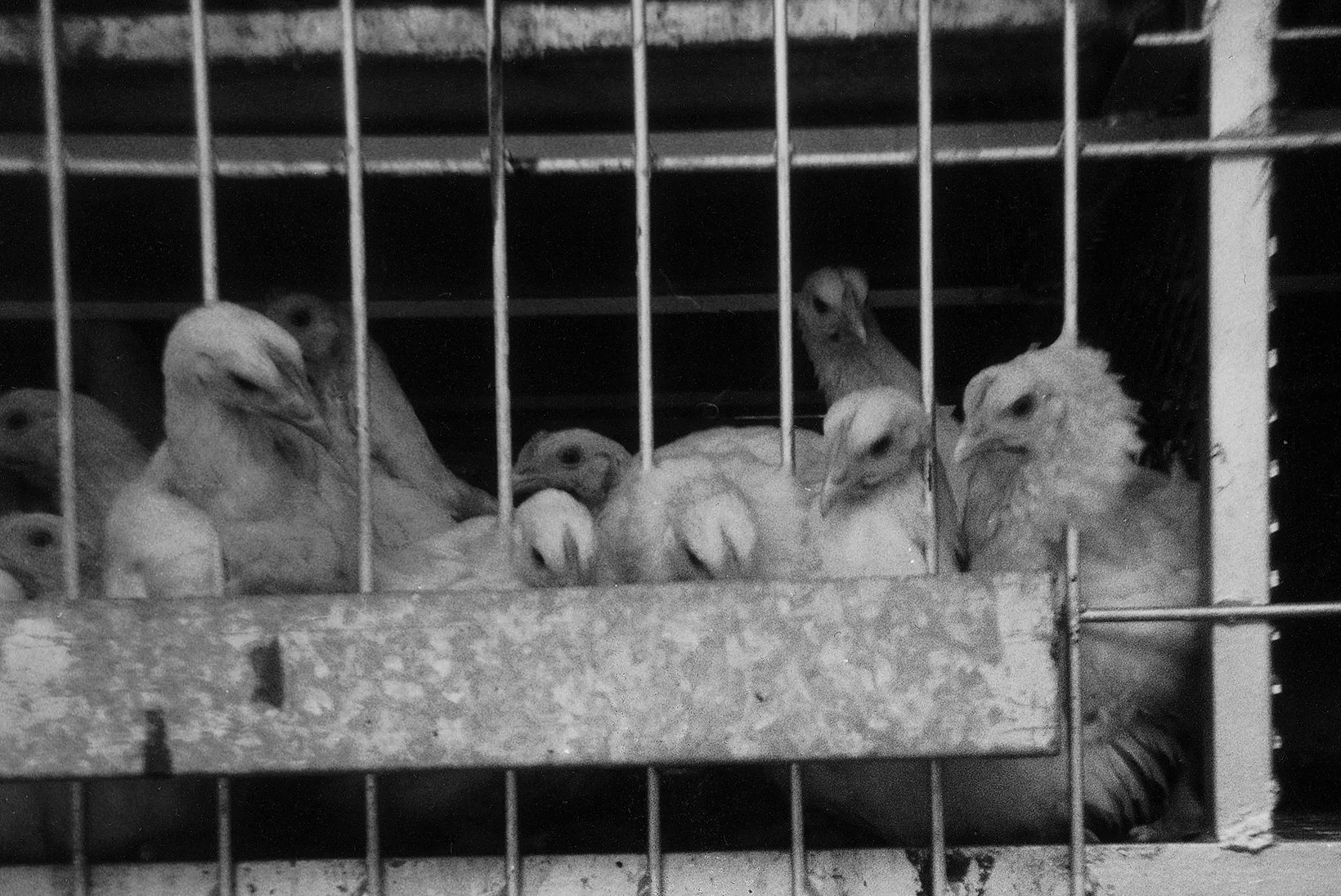
The Wake
The phone rings during dinner. The break in the silence is a relief, but I don’t move. In fact, I pretend I don’t even hear it. I’m fifteen and angry at my father for making me stay home again on a Friday night. He pretends not to hear the phone either.
March 2005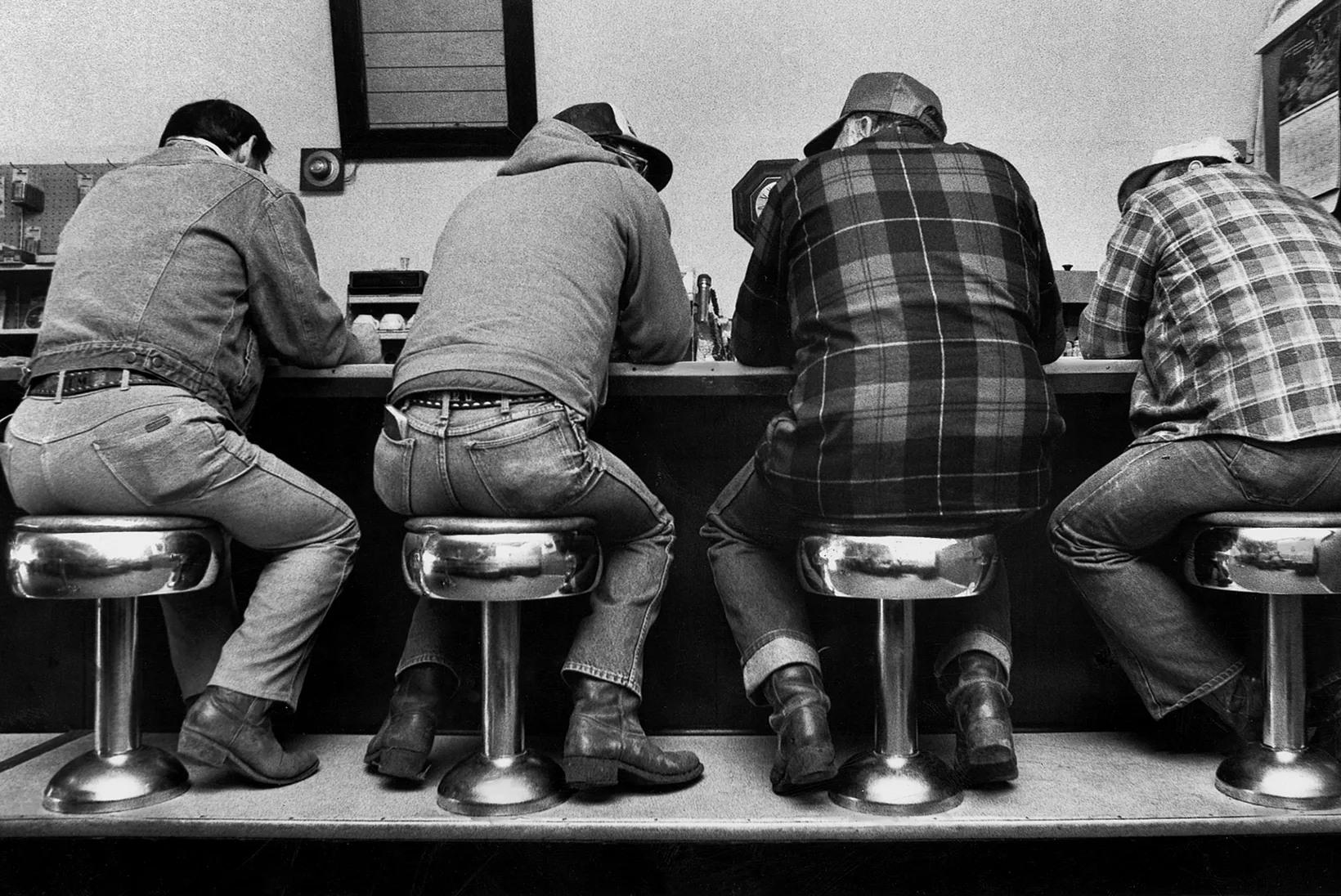
Tiny Bells
I am a dream. Once I was a man. Once I dreamed as you now dream, woke as you will awaken. I used to walk the world between earth and sky. Now I am a memory. If you awake to memories of a life you never lived, it is because you have let me enter your dreams.
April 2004
Biting The Hand That Feeds: How Globalization Cripples Small Farms
An Interview With Vandana Shiva
This year farmers started to commit suicide in Uttar Pradesh, the richest agricultural state in India. Some of the most fertile soil in the world can be found there, and the region has never had agricultural problems. But the first rule of globalization says, “Don’t grow food for yourself; grow export crops.” So the farmers there all grew potatoes. And then potato prices collapsed. The potato-chip makers have walked off with super profits, and the farmers have been left with huge debts.
February 2004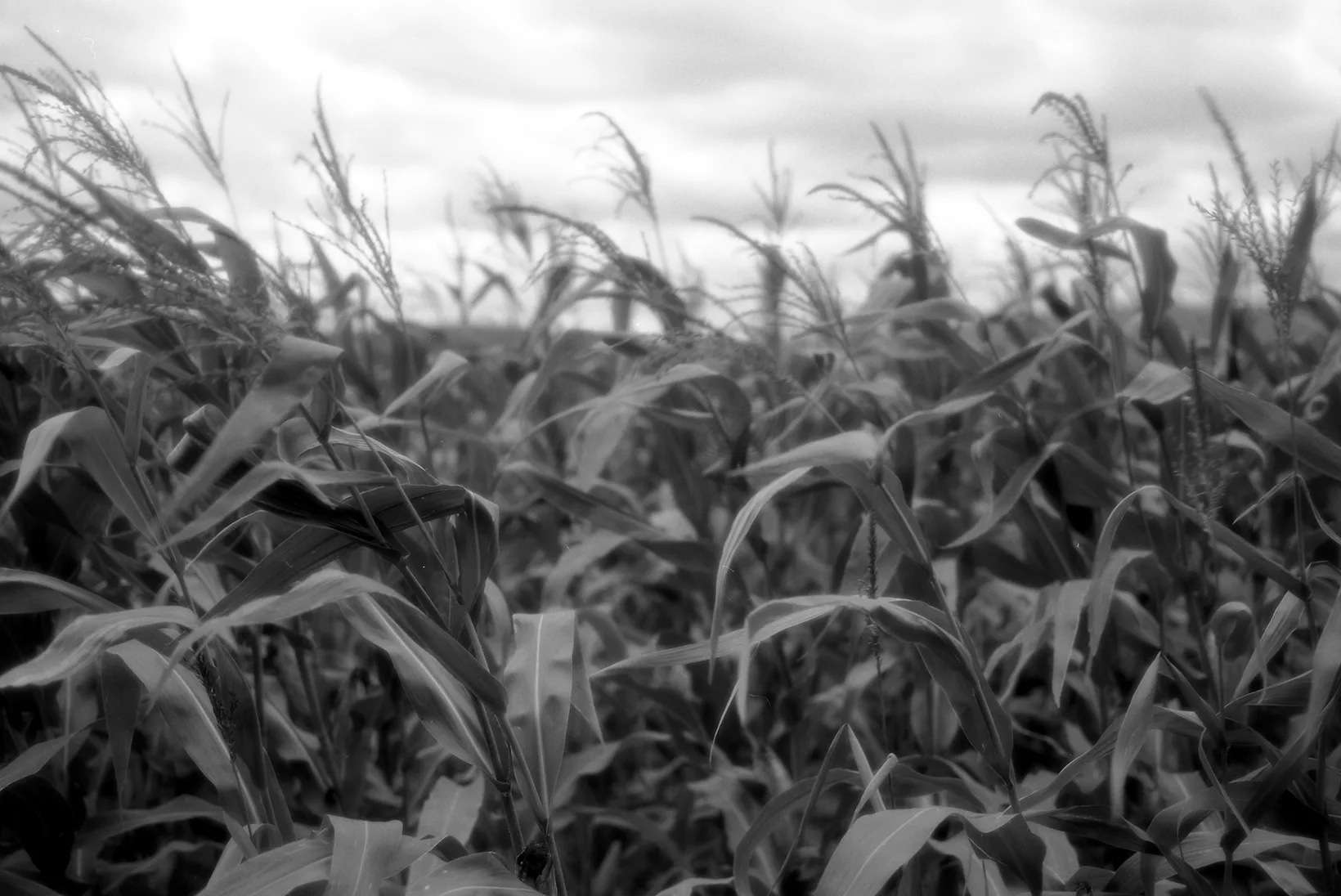
The Task At Hand
In my wanderings through small villages around the world, I have often sat and marveled at how people in other cultures perform their daily work. There is an acceptance of the tasks at hand and a pride in exerting excellence. At the end of a day their harvest is contentment and sweet sleep.
December 2003
Sunbeams
June 2003This was the dawn of plastic eating in America. . . . We doted on Velveeta. Spam. Canned ravioli. Instant puddings. Instant anything. The farther a thing was from the texture, flavor, and terrifying unpredictability of real food, the better.

Earthly Delights
Cultivating A New Agricultural Revolution: An Interview With Michael Ableman
When we focus on regional production and regional distribution, the issues around the use of chemicals and other materials resolve themselves. It’s as simple as standing across the table at the farmers’ market from the person who’s growing your food. Ultimately the basic health of the food system is not about laws; it’s about relationships: interpersonal, ecological, and biological. The people who eat my food don’t need a legislative act to know that what I’m providing is safe to eat. They know me, and they know my farm. That, to me, is the best form of certification. It’s based on outdated ideas like honor and trust.
June 2003


Personal, political, provocative writing delivered to your doorstep every month—without a single ad.
Subscribe Today